Salama’s wife clings to fading hope
 I had a one-hour break at university on Saturday, so I grabbed the chance to visit the Palestinian detainees’ solidarity tent by the Red Crossbuilding. Every day I go, I see the same people, whom I’ve started to feel are a part of me. When one of them is not there, I miss them, as I recently have spent more time with them than my family.As I arrived at the tent, I felt that there was something strange going on. I asked a friend what had happened earlier. She answered while pointing, “That woman, Najiyya, just fainted when she learned that her husband is not included in the swap deal.” I kept sympathetically following her with my eyes wherever she went. She lifted my spirits up as she walked toward me and sat in an empty chair next to me. She smiled at me, despite her sorrow. I wish she knew how much people like her give me indescribable spiritual power with their incredible strength and steadfastness. Seeing her smile again, while knowing that she was broken inside, brought life to me. I couldn’t help but smile back with a look of admiration and appreciation.
“I waited long enough for him to come back to me; 19 years of forced separation between us. I’ve always fantasized about our unborn child, as the imprisonment of my husband after less than one year of our marriage prevented me from ever having one,” she said after I asked her whether she feels better.
“They broke into our house in October of 1993 and kidnapped him very late at night from inside our home in an excessively violent way,” she continued while tears struggled to fall from her eyes. She looked in a different direction and fell in silence trying to hide that feminine character inside her.
I learned that her husband Salama Mesleh was sentenced for 99 years inside the Israeli prisons. I was amazed at her ability to stay strong and optimistic for a day that would come when she would be united with her husband in a warm house full of love and harmony and bring up their first child.
My sympathy got even deeper for her as I learned that she had been very close to delivering a child. She was 2 months pregnant when the Israeli army attacked her house and turned everything upside down and kidnapped her husband. Her experience was too much to tolerate. The Israeli army didn’t only take her husband away but also killed the fetus growing inside her. If she didn’t go through all these horrific circumstances, maybe this fetus would have turned out to be an 18-year-old man by now who would take care of her while she bravely fights her harsh destiny.
Determined to share pain
My affection for her has been increasing as I knew more of her stories. She is on a hunger strike for the sixth day trying to share with her husband and other Palestinian detainees their battle of empty stomachs. She has refused to break her fast despite all the attempts which people made to persuade her to, especially after she fainted. However, she insisted on going on demonstrating. “Salama, my husband, suffers from more than merely hunger,” she said. “Let me at least feel like I’m living some of his pains even though I know that I’m not even close!”
I suddenly realized that I ran out of time and it was the time to go back to my lecture at university. I had to go there only for the attendance check and be in the class only in body but I knew that my mind would stay with the prisoners and their families. I couldn’t wait till the lecture ended to return to the Red Cross.
I thought that I would go back and see the usual sight of people sitting in the tent chatting while songs for freedom for our detainees are playing. But that wasn’t the case. There was an emergency taking place; people were running inside the Red Cross. An ambulance’s siren was very loud and its red lights were flashing all over the place. My heart skipped a beat as I realized I had missed something during the hour I was at university. My fear of the unknown overcame me.
I was trying to pass through the crowd to discover that the same woman, Najiyya, lost consciousness again. She couldn’t bear the psychological conflict she had inside her — not knowing whether her husband was going to be released or not.
At first, she heard that her spouse was included; and then discovered that he was not. She was swinging between facts and illusions to realize later the fact that her husband will stay jailed inside the dark cells. I learned that she was walking around while talking to herself unconsciously and she suddenly stopped and looked at a big banner that includes the picture of her husband, and then fell down.
I know no matter how strong and how much of a fighter she is, she is a human at the end of the day. The fact that her husband is not going to be free was very hard for her to accept, especially since she was lingering with the hope which the swap deal had brought her.
A mixture of feelings as prisoners near freedom
 A very confusing feeling passes through me after hearing about the exchange of 1,027 Palestinian detaineesfor the only Israeli soldier, Gilad Shalit, who was held captive by the Palestinian resistance fighters. I don’t know whether to feel happy or sad.Gazing at the faces of the prisoners’ families in the solidarity tent in Gaza City, I see a look that I have never seen before: eyes glittering with hope. These people have attended every event in solidarity with our detainees, have never given up hope that their freedom is inevitable someday, and have stayed strong during their loved ones’ absence inside Israeli cells. Thinking about those women whose relatives are most likely to be released and seeing their big smiles makes me happy. But at the same time, thinking about the other 5,000 detainees who will steadfastly go on with their resistance in the prisons makes my heart break for them.Hearts aching for those still in jail
When I arrived at the tent on 12 October, the wife of the prisoner Nafez Herz, who was sentenced to life-long imprisonment and has been jailed for 26 years, shook hands with me and said very excitedly that she had heard that her husband would be freed. Then she said, “But you can’t imagine how much my heart aches for those families whose prisoner will not be released in this exchange deal. All prisoners’ families have become like one big family. We meet weekly, if not daily in the Red Cross, we share our torments, and we understand each other’s suffering.” I grabbed her hands and pressed them while saying, “We will never forget them, and God willing, they will gain their freedom soon.”
While I was writing this article among the crowd of people at the Red Cross building, I suddenly heard people chanting and clapping and could see a woman jumping with joy. While on the phone, she said loudly, “My husband is going to be free!” Her husband is Abu Thaer Ghneem, who received a life sentence and spent 22 years in prison. As I watched people celebrating and singing for the freedom of the Palestinian detainees, I met his only son, Thaer. He was hugging his mother tight while giving prayers to God showing their thankfulness. I touched his shoulder, attempting to get his attention. “Congratulations! How do you feel?” I asked him. “I was only one day old when my father was arrested, and now I am 22-years-old. I’ve always known that I had a father in prison, but never had him around. Now my father is finally going to be set free and fill his place, which has been empty over the course of 22 years of my life.”
His answer was very touching and left me shocked and admiring. While he was talking to me, I sensed how he couldn’t find words to describe his happiness at his father’s freedom.
The celebration continues for an hour. Then I return to my former confusion, feeling drowned in a stream of thoughts. The families of the 1,027 detainees will celebrate the freedom of their relatives, but what about the fate of the rest of the prisoners?
Don’t forget the hunger strike
I have heard lots of information since last night concerning the names of the soon-to-be-released prisoners, but it was hard to find two sources sharing the same news, especially about Ahmad Saadat and Marwan Barghouti and whether they are involved in the exchange deal. I’ve always felt spiritually connected to them, especially Saadat, as he is my father’s friend. I can’t handle thinking that he may not be involved in this exchange deal. He has had enough merciless torment inside Israeli solitary confinement for over two and a half years.
Let’s not forget those who are still inside the Israeli occupation’s prisons and who have been on hunger strike, as this hunger strike wasn’t held for an exchange deal, but for the Israeli Prison Service to meet the prisoners’ demands. The people who joined the hunger strike in Gaza City has included those with loved ones in prison. We have to speak out loudly and tell the world that Israel must address our living martyrs’ demands. We will never stop singing for the freedom of Palestinian detainees until the Israeli prisons are emptied.
Press here to read this article in French.
Press here to read it on Electronic Intifada.
“Prisoners are the living martyrs”

I haven’t been getting enough sleep lately. Last night I was exhausted in body and mind, but tried to keep my eyes open to follow updates on the Palestinian prisoners’ conditions. My heart and mind were with them completely, in every corner of the horrible Israeli prisons where our heroes continue to display persistence and steadfastness.
Deciding to rebel against the cruel conditions they could no longer endure, hundreds of prisoners started a hunger strike on 27 September. Approximately 6,000 detainees inside Israeli prisons are forgotten about and treated as if they are less than animals.
Israel, which claims to be the only democracy in the Middle East, seems to forget that prisoners are humans and have rights. The Palestinian prisoners are on hunger strike in the hope that Israel will grant their simple demands. But while they are calling in loud voices for their rights, Israel is reacting negatively, using every method it has to force the prisoners to give up. Prisoners are being sent to isolation cells in increasing numbers, family visits and lawyers are being denied, families threatened, and identity cards, belongings and clothing confiscated. This is all in addition to the constant torment they already have to endure.
Israel is violating international law and nobody is stopping it. Oh, pardon me for forgetting that Israel is beyond any law! Approximately 285 Palestinian children are currently imprisoned, and the world is still silent. Nobody will dare challenge Israel.
I am very emotionally attached to the prisoners’ issue, especially their hunger strike, not only because I am Palestinian but also because I am the daughter of a released prisoner. I was brought up hearing my father’s sad stories, full of suffering and despair, which remain stuck in his memory and will never leave him.
My father’s experience of hunger striking
My father’s eyes would have never seen the sun if Ahmad Jibril of the Popular Front for the Liberation of Palestine — General Command (PFLP-GC) didn’t manage to make a deal exchanging three Israeli prisoners he held captive in 1985, in return for the release of 1,250 Palestinian political prisoners. My family was watching the news concerning the current prisoners’ hunger strike when Dad started telling us about his imprisonment, which lasted for 15 years.
“I witnessed and participated in the longest hunger strike in the history of Palestinian prisoners in 1982, which lasted for 33 consecutive days,” he said. “Three prisoners died and tens of cases were sent to hospital, including about 27 for dehydration, but what else could we do to pressure them to provide us with the smallest things?”
Thinking deeply about my father’s words, and trying to imagine the awful conditions of the Palestinians inside the merciless Israeli jails, broke my heart. All the unbearable treatment prisoners endure is totally unfair and against humanity.
Before I wrote this article, I took part in a Gaza City demonstration in solidarity with these prisoners, whose health is getting worse every day, but who will bravely continue. I was lucky to not have early lectures at university, so I could be there at 9:00 am protesting against the situation facing our prisoners. I had some conversations with other women protesting there, too. Most of them were either released prisoners or had sons, brothers, or husbands in prison and on hunger strike.
One of them was a mother of six children, who grew up as if they were fatherless — her husband is spending his 26th year inside a damned Israeli prison. “I was one month pregnant with my youngest girl, who is 25 years old now, when my husband was arrested,” she said. “My oldest girl was only seven years old. All my kids do have a father but they became adults without their father around, like orphans.”
She kept describing to me how hard it was to be alone without her husband taking care of six children, and how much she suffered and endured to make her husband, sentenced to lifelong imprisonment, proud of his children when he hopefully someday gets his freedom back. “I was very young, only 24 years old, when he went to prison. I stayed in this state of a married woman who has to live without a husband for 26 years for my six children. Thankfully, I now have 25 grandchildren,” she said proudly.
Miracles needed to contact prisoners
Then she burst out crying, and said that she was worried because she heard that the Israeli army attacked Ashkelon prison where her husband is held the day before. They violently attempted to force the impossible — to make the hunger strike end.
I couldn’t hide my tears anymore, despite trying so hard not to let them fall. I didn’t know what to do to calm her down. The woman told me that she and all other prisoners’ families have been denied visitation rights since Hamas won the 2006 election. They hear nothing from their imprisoned family members, except rarely, when some miracle happens; like when someone from the West Bank visits relatives who are imprisoned with her husband. Then, her husband can ask the visitor to convey a message to her that he is doing well.
I couldn’t say anything but for prayers that God provide her with patience and that her husband gets his freedom back soon.
My father has always said that prisoners are the living martyrs. I think they really deserve this honor for all the injustice and suffering they endure. This open hunger strike of the Palestinian prisoners will continue until Israel addresses their demands. International solidarity is needed now more than ever. Everyone needs to wake up and do something. We shouldn’t let the cruel conditions of the Palestinian detainees last forever.
My Journey to America
After all the difficulties I had been through in order to get myself out of the big prison of the Gaza Strip, I made it to USA.
I spent the first week of the program in Gaza against my will. My hope of leaving had gradually been fading until I received a call informing me that I would be leaving through Erez on the 26th of June after a whole week of pain trying to pass Rafah border. I was in Gaza physically but not mentally. My mind was constantly with the people who would become my second family soon after my arrival. I was daydreaming of life in USA and I couldn’t wait till I arrived there. I thought I was so unlucky that I missed a week in my life there but in fact I was such a lucky girl. What had been waiting for me was beyond my expectations.
At 8 am, on the 26th of June, my adventure had started. I had passed through Erez and Jerusalem, and somehow I was able to convince my driver to take me by the old city. I wasn’t allowed to leave the bus till I arrived Allenby Bridge in Jericho, but my driver had sympathy for me and he allowed me to have one hour there even though he took a risk by doing that. I actually exceeded the limited time I had as walking in the old streets of Jerusalem and visiting all the holy sites, the Dome of the Rock and Al-Aqsa Mosque, stole my mind. I was jumping in the streets and singing out loudly like a nut. Can’t blame me for that! I had to go back to where we agreed to meet in order to get dropped off by Allenby to complete my way to Amman, while wondering why it must be so difficult for me to go to my capital city and why I have to go through all these complex procedures in order to travel.
I had arrived in Amman by 6 pm and had stayed with a very nice woman whom I knew through Facebook as she was supporting the sales of my calendar, Gaza Calendar 2011. I spent a short but unforgettable time in Amman. My plane was scheduled to leave at 5 pm on the following day. I had to travel to Dubai’s airport and then to Washington DC.
I couldn’t believe myself when I took my first step out of the plain in Washington DC airport after a 12-hours-non-stop flight. I was even more excited knowing that only a couple of hours separated me from joining the MEPI family. But I should learn that excitement sometimes works in the wrong direction. I was walking the airport with a look full of excitement, smiling to everyone I encountered, and ended up sitting in a gate that I thought it was the right one, but realized had been the wrong one two minutes after my flight to Philadelphia took off. It was actually kind of funny. I didn’t know how it had happened, but I guess for someone who had taken a 12-hour non-stop flight, sitting between two elderly people who kept snoring the whole trip, it is normal to run out of batteries. My flight was rescheduled for me. It was by then a bit sad as almost nothing remained to meet my MEPI family, but it turned out to require four more hours of waiting. Then I cried like a baby until I fell asleep, only to wake up just as my flight started boarding and return to the same excitement I had before.
“Nothing happens without a reason” – this is something that I started to believe in very deeply. I met wonderful people on that flight that left an impact on my vision for my future. Some of those people belonged to a church group who were volunteering in Zambia fighting hunger and poverty there. By the end of the trip, it felt as if I was one of them. They didn’t leave me tell they made sure that I got my luggage and everything was ok with me. Soon after, they formed themselves as a circle and held each other’s hands and included me. Then they made a prayer with their eyes closed to give thanks for their safe arrival. I am Muslim but I joined them while they were doing their prayer and it felt good to me. I believe that religions shouldn’t create gaps between people. To whatever religion we belong, we are all humans at the end of the day and what we share is more than how we differ from one another.
As I was walking toward the exit expecting to see somebody to drive me to Newark, Delaware, I saw the coordinator of MEPI program in the University of Delaware, waiting for me and holding a paper with my name written on it. After glancing at him, I ran to him and I hugged him as if I knew him already. I was just so excited about starting my journey. He drove me to Delaware where my MEPI family was waiting for me excitedly.
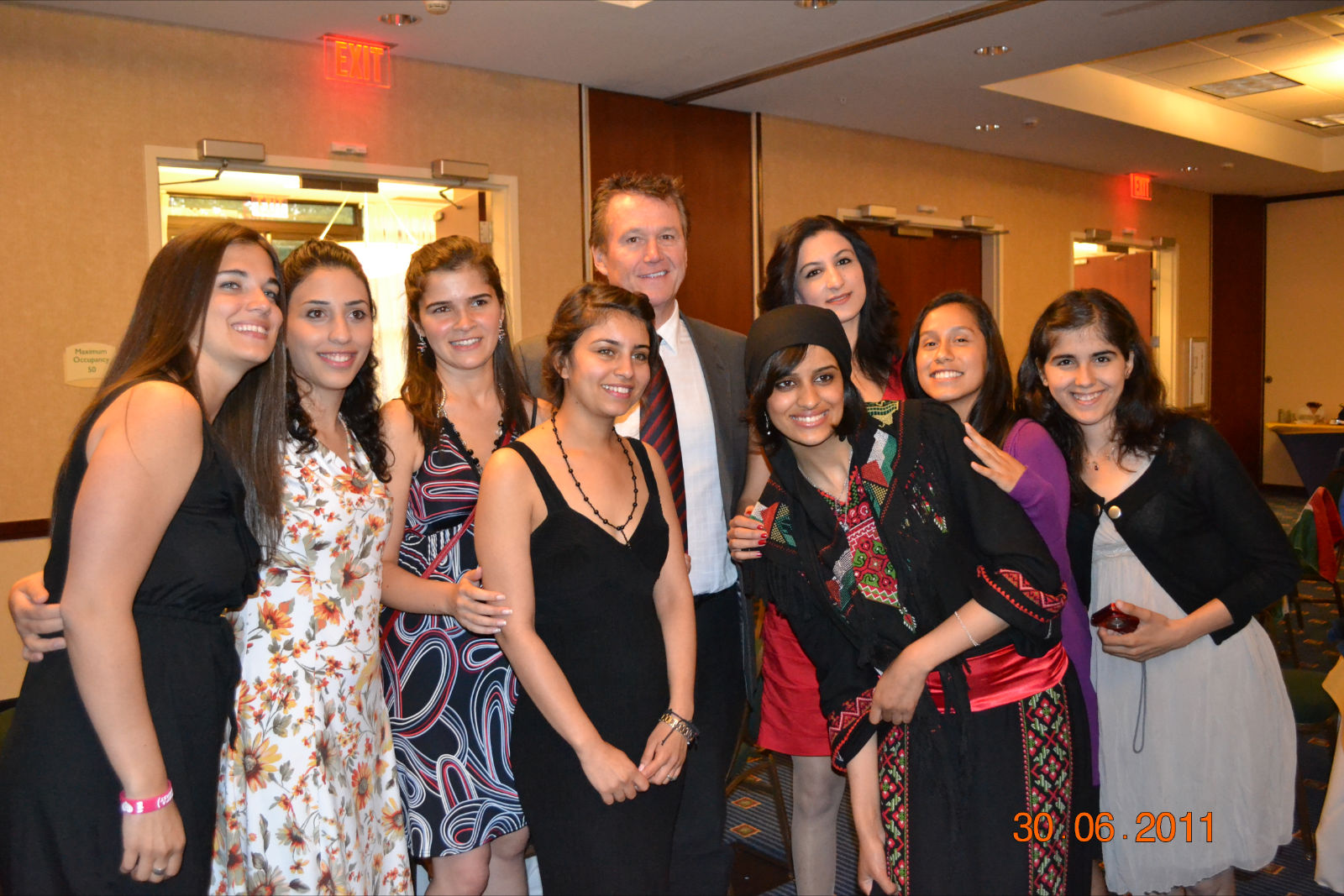
Meeting my MEPI family was so special to me. Thinking of them constantly before the time came and following their Facebook posts from Gaza made them already a part of me, even before I met any of them. That made it easier for us to get along. We were together all the time. We used to leave each other at bedtime, only to dream about the next day. Every day made us more connected and more caring about each other. I felt a real family overwhelmed with love, passion, and care around me. We would laugh together and cry if anyone started to shed a tear. They maybe didn’t know to what extent each one of them affected my personality, but at least I know that they will keep their own place in my heart forever. My colleagues were from 14 different countries of the Middle East and North Africa. We had many differences but those differences didn’t keep us apart, they only made our family more interesting. We had fun laughing at each other’s accents and sharing our cultures. The loveliest part was the staff members. They are such great people who accompanied us all the time to make sure that every day would be better than the previous day. They were there to educate us, to help us doing our homework, and to cheer us up whenever we felt down. They dedicated themselves to supporting us in every way they could. Such giving and loving people are rare to find. They have left an enduring impression on me. I feel so proud having had a chance to be close to such wonderful people with amazing characters.
The real wealth is not measured with money but with how many close relationships you form. Therefore, I consider myself to be very rich as I have many real friends that I can trust for the rest of my life.
Apart from making friends, for a Gazan, who got used to seeing gray all around and not much green, it is delightful to see some views of nature. This is another thing I loved about America. I never got bored wandering around in the streets as the huge trees with fireflies that seemed like Christmas tree lights made me full of joy and inspiration. I would go for a walk ifI felt rough, but that was never a way for me to relax in Gaza. I never minded long drives, too. My head would keep swinging from one window to another in order not to miss any views. We would pass by huge lakes that took my breath away, or a group of geese, or sometimes we would see deer standing by the woods.
I felt so fortunate had having a chance to let my eyes enjoy pondering nature there and meeting many interesting people, some of them were great professors who are so passionate about the Palestinian cause. They became excited about setting up a meeting with me as soon as they know I am a Palestinian living in Gaza.
I also enjoyed talking to people that I encountered by chance. Palestine was my favorite topic to talk about whenever I had a chance. It was funny as most times I spoke to anyone, she or he would ask me where I am from, and then I would reply with a smile on my face, “I’m from Palestine.” Then most people would ask, “Pakistan?” and I would say again, “no! PaLLLLestine” to make sure that I make the pronunciation of letter “L” as clear as possible. But this actually didn’t make any difference to some of them, as they would either ask “where is that?” or “what’s that?” My answer would be “Do you know Israel?” They would show all the expressions of confirmation they can and then I would say “well, Israel is in Palestine” to leave them with exclamation marks on their faces. And then they would be confused, which would be the responsibility that I enjoyed the most, to explain what I meant with history as my only evidence.
It was a bit sad that many people didn’t recognize my country. I say MY COUNTRY as I’ll never lose hope that it is going to be a country one day. Sometimes I got emotional seeing maps with Israel written in bold on the world map and not finding Palestine in the resources that were given to us for use during the leadership program. However, that only grew two things inside me: Knowledge of how hard I have to work to educate people about my country, and determination to make Palestine recognized by every human being on the planet.
Writing about my journey to USA can never end. Briefly and honestly, the five weeks I spent there made me much more mature and confident in my potential, and my ability to give as much as to take. I’m not such a different Shahd, but I can assure you I am a better Shahd after this interesting, eventful, and educational journey.
Pure hell at the Rafah crossing
 “Oh yes! I got the scholarship! I’ll be going to USA for a leadership program,” I said while jumping with happiness after reading the email with news of my approval। I thought I had passed the most difficult step. It wasn’t actually the step that I should have worried about. I realized later that I had rushed my happiness, and that it had been too early to feel like I was in control of everything.
When the time to book my tickets came, the American embassy gave me two options; either to leave through Egypt to the USA, or to go through Erez border to Amman and then to the US. I was confused. I had a flashback of being humiliated in the Erez border when I went to Jerusalem to get my visa for the USA. I thought that was enough of that, and there was no need to go through the same experience again. In the meantime, I had read articles and followed the news that announced the permanent opening of the Rafah crossing. So I quickly decided to go through Egypt, but didn’t know that it was a stupid decision until it was too late.
I was in the middle of a bunch of discordant voices which would eventually end up driving me crazy. Haha, welcome to confusing Gaza! First, I heard that it was not difficult any more to leave through Rafah, and that it was even easier for women. “All you need is your passport and you will leave very easily and quickly.” Most people agreed on that, relying on fake news reported by the media. Later, I realized that this was what should have been implemented, but not what had happened in reality. I had to go the Rafah border and reserve the date of 18th of June to travel. When I went there, I found people fighting because every date before the 22nd of July had already been taken. I was very depressed, thinking that my dream of visiting the USA wouldn’t happen because of a border, but was lucky enough to meet a man who liked me and sacrificed his reservation on the 18th of June for me. Then I thought that there was nothing more to worry about.
The 18th of June came. It was last Saturday. I was at the Rafah border by 7 am. I kept standing for long hours under the burning sun with dad and my friends Joe and Rocky from ISM. I had to beg people to help me. I saw old men and women crying. I realized then that wherever I went, I would get humiliated, and that I shouldn’t have paid attention to what I experienced at Erez, because no matter how hard that was for me, it wasn’t any harder than the humiliation I would face at Rafah. I went back home that day at around 4 pm. I forced myself to sleep to escape from the frustration I felt at having to get up the following day and make a second attempt at crossing. I didn’t only make a second attempt; I had a third, a fourth and a fifth, all for nothing! I used to leave home so early with my suitcase, torturing myself, my family and my friend to return with it after committing around 8 hours there. I’m still stuck in the horrible prison of Gaza.
It is, simply, pure hell at Rafah. Every day I went to the border was harder than the one before it. Every day, I just got more and more frustrated. “There’s only one way you’re going to leave: with a strong connection”- this is the system that the Rafah border follows. Every day I went there, I bled tears for the people who have been struggling to leave for weeks, but couldn’t. There was no mercy for anybody, whoever they were: old or young, sick or healthy, or whatever. It’s not like the movies: it is true drama, so sad and so miserable. For the past five days, I’ve been dying to hear a certain response from anyone working there. Nobody can bother to talk to you or tell you anything, you just have to try and try without stopping.
When people said that I didn’t have to worry anymore about crossing though Rafah, and that I could leave easily and quickly, it seems that they meant that you could leave very quickly, within at least two weeks. Oh, what a joke! But after I went though that hell, don’t think that I am going to surrender. No, I’ll keep going. Persistence is the only way to reach goals, and I’ll reach them eventually.
Why should my dreams be crushed at the Rafah border? Why, after I got a chance that a Gazan can have only once in a lifetime? Why should the media lie about reality? Why should they let us go so far with our dreams, then finally shock us with the reality? Where is the honesty of the media and where is the honesty of leaders, be they Palestinian or Egyptian? Who is responsible for all the suffering that Gazans face at Rafah? We are the victims of a web of lies.
To get my Visa to USA, I passed by Jerusalem as a stranger and wast humiliated
It’s like a commitment for every Palestinian, and especially every Gazan, to make before leaving the borders of the Occupied Territories: a commitment to get insulted and humiliated and never say a word. Four hours of waiting to get permission passed like four years. The excitement I had didn’t make the situation any easier. I was sitting with my friends who have been approved for the leadership program in USA when a Palestinian who worked on the Beit Hanoun border told us to get ready to leave. No words could describe what I felt then. “Oh, thank you, God. Finally, we are passing!” I screamed. I simply went crazy and started to jump out of indescribable happiness, forgetting about everybody around.
My steps were too big and I could hardly breathe. All I could think about was that I wanted to get there as fast as I could. I didn’t know what was waiting for me after the long road that separates Gaza from Erez.

As I passed through the first checkpoint, the alarm bell rang. I started to feel worried but one of my friends told me that it was because my bag contained a laptop. Seeing some Palestinian men working there helped me to relax. One of them told me not to worry as this was normal. He took it from me and he asked me to enter the gate again. I did, with my heart beating fast. After that we were led to enter lots of gates, one after another.
My eyes waited excitedly to see the green lights. I reached one point where I had to stand in an exact way. I tried to show that I had no fear. I saw the green light and they allowed me to pass. I took a deep breath then, but I was so rushed! Unluckily, I heard some Hebrew through the speakers which were spread everywhere around. Then an old Palestinian man who was responsible to show the travelers where to go yelled loudly, calling me back. “I don’t know what the problem is with you, my daughter,” he said with his eyebrows high, showing surprise and worry. “Come back to the same gate and do as I tell you to do,” he continued. I couldn’t hide my panic anymore. I did as I was told but the signs of worry on my face were obvious. “Smile or else the photo will be dark,” the Palestinian man joked to make me less worried.
I wondered why everybody else was having fewer obstacles at passing than I, but I had no answer to my question. I thought that nothing could be worse than that when I passed that grim gate. I was mistaken again. They sent me to a special check point. I was ordered to go into an empty room with a window of glass and an empty chair, a table, and a microphone behind it. I was about to cry, but I tried to pull myself together because I believed that what would make them happy was seeing me fall. I kept standing and just waited. It was totally quiet and I had no idea what was going to happen next. Suddenly, while I looked around the place randomly, an Israeli female soldier sat in the chair.
“You have to do what I tell you exactly,” she said. “Take off your trousers,” she continued with that severe, intense voice. I looked at her with surprise, asking if she was serious. She repeated the same sentence in a louder tone. I could not summon any reaction but the same shocked look. “It is an order!” she shouted, and continued, “You don’t have to worry as only you and I are here.” I kept my head high and I took them off, insisting on making my dream of reaching Jerusalem reality. She ordered me to turn myself around and then pull my t-shirt up. I put my stuff inside a box to be checked as she ordered, and then got it back to dress again.
I am writing this to you feeling so low. Maybe some would think that I should not speak about this, but I must. People have to know how we are humiliated, how badly we are treated, as if we were less than human beings. What was the point of doing that? Obviously nothing! Why did they choose me in particular? For absolutely no reason! They just wanted to enjoy inflicting psychological torment on somebody, and the lot fell upon me. I tried to keep my strength, but this experience left a deep pain inside me.
All my friends passed earlier than me. They waited for me on the other side. As I joined them again, I felt so much better. I decided to live in the moment and not to let anyone ruin my happiness at finally reaching the bus of the American embassy that had been waiting for four hours to take us to Jerusalem.
I only needed to deeply breathe the fresh air of the lands on the other side of the Erez border to feel relaxed. It was such a special feeling. We got into the bus which drove us to Jerusalem. I kept looking through the windows at the places around us. I was amazed. I saw fantastic nature wherever I directed my eyes. They were so hungry for such views. I looked around wildly in order to not miss any of the beauty: the hills, sandy and rocky mountains, green fields, huge trees, and colorful flowers. On our way from Erez to Jerusalem, as I pondered nature, I sang Fairoz’s song about the streets of the old Quds, feeling so happy that I had made it, in spite of every difficulty I had passed through. The taxi driver, who is originally from Jerusalem, noticed my painting book and asked me about it. “I am an artist and I always wanted to draw the dome of Al-Aqsa mosque face to face one day. So I hope that this will be my chance to do so,” I said. “Do not be so dreamy. I have to drop you by the American embassy, and immediately after you all finish your visa interviews, I will take you back to the Erez border,” he replied. After I thought everything was going to be fine, I was mistaken again.

As I got inside the bus after picking two flowers planted in Jerusalem’s soil
I don’t blame him, as he just followed the orders issued by the embassy. I pity the situation though, living as a stranger in my homeland. As soon as I got out the bus and stepped onto the ground, I started jumping, feeling happy that I was standing on the Holy Land. Everything was perfect with the visa interview and thankfully I got it. I did not want to go outside the embassy as we would then get picked up to go back. Eventually, we had to ride the bus and I was lucky enough to take two beautiful red flowers with me.

They were so strict about taking us directly to Erez, but the driver sympathized with us and could understand what if felt like for Gazans who are in Jerusalem, for the first time in their lives, to reach it without seeing the Dome of The Rock and the Al-Aqsa mosque. In the end, he said that he could only take a street which would allow us to see the view. I saw it from so far away just like it is seen in the picture, such an amazingly beautiful scene that my eyes could not stop gazing. It is like magic. Seeing that view, and the fact that we could not go closer, and even that we couldn’t open the window and put our heads out, made me very emotional.
“I have to move. I am sorry,” the driver said with a broken voice. I turned my head toward the dome until it disappeared into the distance, leaving behind a long silence. I went to an empty seat in the back of the bus and lay on it, closing my eyes and letting my soul fly over Jerusalem’s dome. With a mixture of feelings, I fell asleep. I woke up when I arrived at Erez, and now write to you about my trip to Jerusalem from my own room in Gaza.
Amidst long hours of waiting to pass to Jerusalem

It’s like a commitment for every Palestinian, and especially every Gazan, to make before leaving the borders of the Occupied Territories: a commitment to get insulted and humiliated and never say a word. Four hours of waiting to get permission passed like four years. The excitement I had didn’t make the situation any easier. I was sitting with my friends who have been approved for the leadership program in USA when a Palestinian who worked on the Beit Hanoun border told us to get ready to leave. No words could describe what I felt then. “Oh, thank you, God. Finally, we are passing!” I screamed. I simply went crazy and started to jump out of indescribable happiness, forgetting about everybody around.
My steps were too big and I could hardly breathe. All I could think about was that I wanted to get there as fast as I could. I didn’t know what was waiting for me after the long road that separates Gaza from Erez.
Last night, I went to bed at 11 pm, much earlier than I’m used to. I forced myself to stay under my blanket. The room was very dark and no sound could be heard but the sound of me moving in bed continually. I wanted to sleep so that 7 am today would come quickly, but all my attempts failed. Daydreaming in darkness conquered my mind. I dreamt about my travel to Jerusalem, the smell of its air, the view of its nature, its streets, and its people. My excitement to reach it kept me awake and I only managed to sleep at 4:30 am, then woke up again an hour and a half later.
Amidst this chaos and all the people around me who are chatting as an attempt to make time pass faster, I’m putting my headphones in my ears and listening to Fairoz, trying to live in my own world. I’m writing now from Beit Hanoun border or the so called Erez border. I’m sitting in a hall among lots of people, many of them patients and traders. Everybody has an excuse to go to Jerusalem and waiting to get permission to pass. My eyes are confused; one eye on the people around me and another on the fences that surround me from all destinations, laughing and sarcastically pitying the situation. Isn’t it funny that all of us here are waiting for hours to have a pass to go to our capital, Jerusalem? It’s not fair at all that I need an excuse to go there!
Now I’ve completed two hours of waiting and I don’t know for how much longer I’ll have to wait. While I was writing nonstop, an old woman sat next to me. Her traditional Palestinian dress lined by red embroidery attracted my eyes. The wrinkles of her face looked like she was bearing so many burdens that I thought she was older than only 66 years old. “Are you a refugee?” she asked. I smiled at her, nodding my head to confirm that. Then she said that she is too a refugee. That was the start of a very interesting conversation about our lands, which all Palestinian refugees were cleansed from in 1948. She was only three years old when her family was expelled from her original village, Acre. “I was the youngest of the family,” she said. “My parents and my old brother took turns carrying me,” she said. “They had to put a cover on my face to protect me from the hot weather on that gloomy day.”
Trying to make her laugh, I said, “No wonder why we met here. We are here to return back home!” I laughed. It wasn’t as funny as I thought. Her expressive face showed sorrow. “Oh, I hope so!” she sighed. And then she explained that she was accompanying her son’s twins who suffer from an illness. They sought a permit to cure them at Al-Maqased, a hospital in Jerusalem, and they managed to get it. I tried to change the topic, hoping to stop her from worrying about her grandparents for at least few minutes. I asked her if she knew where my original village, Beit Jerja, was located. While she was looking through the fence, trying to think where to point, her son came rushing her to to tell her get ready, as it was time for them to leave. She hugged me, wished me luck, and then left.
She left to let me return to the situation of depression I am going through, and to continue waiting to follow her to my lovely city that I have always dreamt of reaching: JERUSALEM.
Silence Amidst the Horror
I am sitting so close to my mother, expecting anything to happen any time. I hate to listen to the radio but I have to. The Radio announcer keeps repeating the same sentence again and again “People, try to take as much caution as possible!” What a silly call! Who knows where is or is not a safe place in Gaza during war time? All I want right now is to see my family members around me. I keep moving my eyes over and around them. They are totally silent but features of worry and fear are easy to make out on their faces. “It sounds like another war” mum said. I just looked and listened in silence, and continued pressing the keyboard buttons. I feel cold like never before. I feel so much in need of a blanket or a sweater but two things stops me from that; my legs and my lips. I can’t break my silence as well as my stiffened state. Nothing but my fingers are moving.
I laughed at myself as I remembered how I bolted down in a flash from the second floor to the first floor where my family stays. Fear takes over, pushes you further. Subconscious strength drove my legs to gather with the others—the safest place I can be. Suddenly, I stopped writing. I couldn’t see anything around me, all colors are unclear. A series of flashbacks from the last war on Gaza that were buried somewhere in my absent memory have reemerged. The sound of war planes is getting louder. The sirens of ambulances are still ringing. I wish I can move and bring some cotton to close my ears. This is the only time when I envy the deaf. “7 children are injured!” the announcer said. I felt as if somebody had thrown freezing water over my face so strongly that it sounded like a slap, though I remained unmoved and unconscious to it.
Living The Nightmare
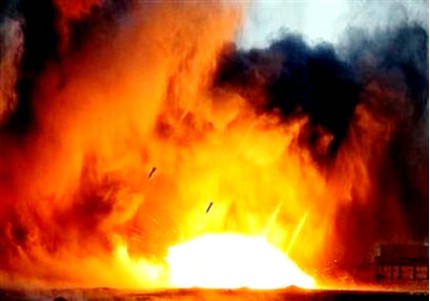
I went into a very deep sleep out of my control. Silence was spread everywhere. It was as if I was choking in my dreams, there was smoke so thick and stifling. I wasn’t sure if it was real or merely a dream. Suddenly I started coughing, I couldn’t breathe. I couldn’t open my eyes, I still hadn’t realized what had just happened. Then I tried to pull myself together. I checked if I was ok; I was quite ok. I still couldn’t see, I couldn’t feel my body. Suddenly my hand touched something and then I screamed. Oh God, that was Ahmad, my four-year-old son, on my lap bleeding. I screamed with the loudest voice I could, “Please, help, please rescue my son.” He was bleeding a lot but nobody answered. People around were either dead or unconscious.
“Oh my other seven kids, where are they?” I said. I put Ahmad on the floor and went to search for them. I could barely see for the smoke. I found Ansam, my 2-week-old girl, she was crying with a throttled voice struggling to get out of her throat. I held her to my chest and continued searching for the other six who were not so far away. I was almost epileptic, crying, lots of bodies on the floor. Then I saw four of my sons in the corner looking silently and fearfully at one boy and girl lying face down on the floor. I stood for a while shocked in such fear that the sensations going through me were true, but then I thought that I should move quickly. Slowly and carefully I turned their bodies to the back. Yes, my feeling was right, that was my 8-year-old girl, Amal, and my 7-year-old son, Abdallah.
Amal was bleeding from her nose, ear, and head. She had some shrapnel in her head. The boy was bleeding from his thigh. I couldn’t bear it. I impulsively hugged my children and burst into tears. I didn’t know what to do. Then I went to bring my son Ahmad who was bleeding on my lap, I could see many dead bodies were under the rubble. I gathered my children around me; I was delirious but struggling to be strong for my kids. Ahmad was bleeding so much, and he seemed like he was dying. It wasn’t to be long afterwards that he would die in my arms. Amal and after that Abdallah opened their eyes, they were so scared of death. I hugged them and promised them that they wouldn’t die, I kept telling them to be patient. The ambulances will come soon, “Why are there no ambulances until now!” I screamed.
I wasn’t really conscious of what had happened. I asked myself “where is Abu-Mahmood, My husband?” Then I remembered exactly what had happened and a flashback sent the horror back through my head. Israeli soldiers executed my husband in front of us when he went out of the house putting his hands up just as one of the soldiers outside had ordered him to. The soldier had said, “the owner of the house must come out now!” He went out with his ID in one raised hand and his old Israeli driving license in the other. Then they killed him. And after that kids started shouting and crying begging the soldiers not to kill them, but they came inside and shot towards the kids randomly. It was then that Ahmad was injured in his chest, dying two days later despite struggling for life as the ambulances were not allowed to enter the area by the soldiers until the fourth day.
After that around 100 people from the same family including me and my kids gathered in a house which Israeli soldiers had forced us to enter. Once they’d herded us together like farm animals, the Zionist soldiers with no conscience and ice cold to the lives, love and history of our families inside, bombed the house that my kids and I were sheltering in with everyone else. It took only half an hour, but they were 30 minutes of indescribable hell with unending sorrow thereafter. Anyway, now I know why I had begun this deep, uncontrollable sleep.
As I Walk on Gaza’s Streets
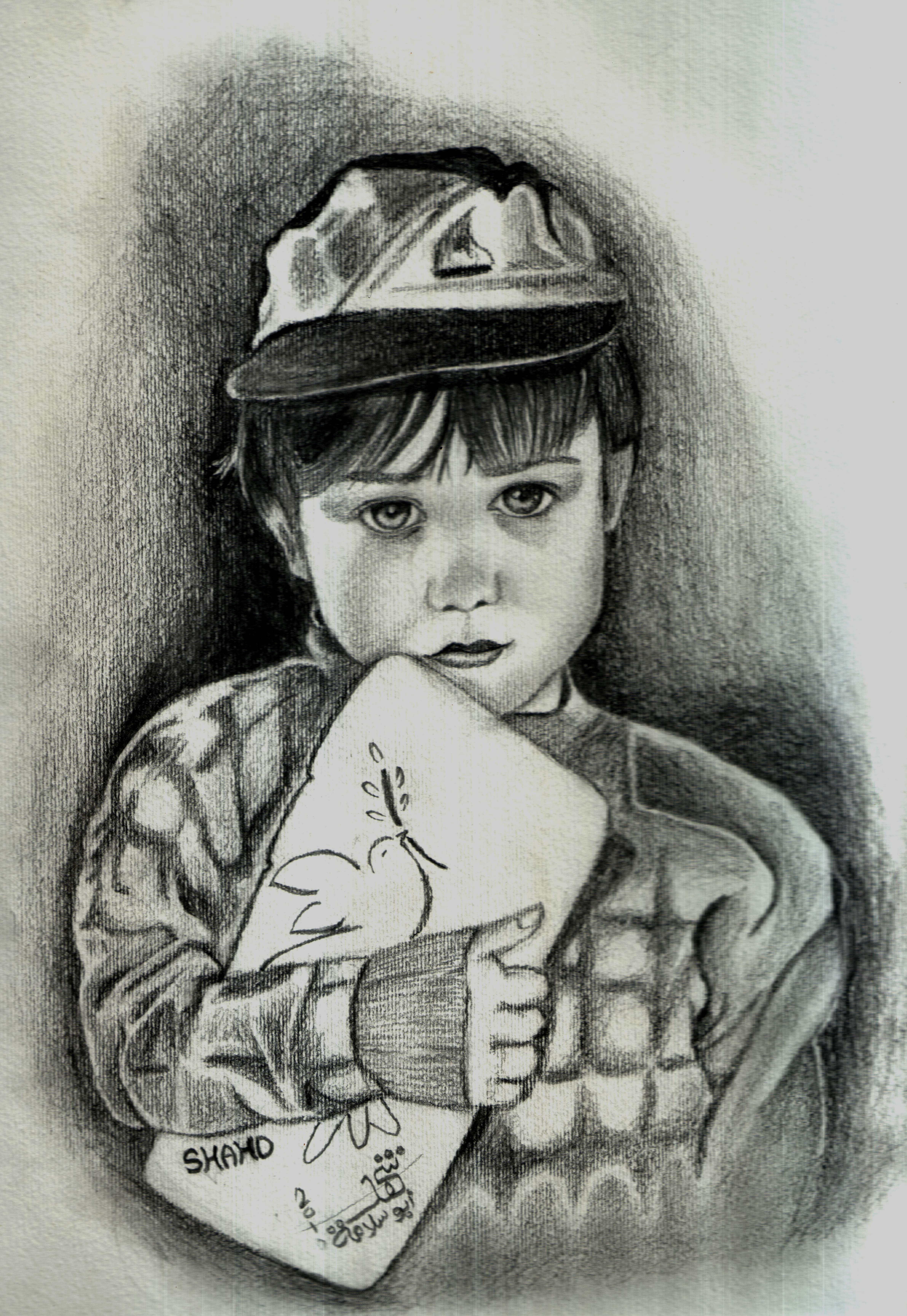 Take a walk along one of Gaza’s streets. Gaze into the eyes of its people. Try to guess what they are dreaming about. Gaza is a place full of dreamers, but too often it’s also a grave for their dreams.
As I walk in the street, I see an old man sitting by the entrance of his door looking at the movement of the sun in the sky. From the expression of his face, I imagine that he is thinking he might be dead by the next day without having another chance to see his own land—now in the land called Israel and “forbidden territory”. I see fathers seeking to earn some money to take care of their children. I see mothers carrying their babies, looking at them in sorrow, wondering whether it would have been better not to bring them to this vile world!
I see many Palestinian youth with lost futures. Some may think it is funny how enormous the number of youths is who are crowded into the cafés smoking shisha. However, it’s not surprising. There are many graduates among them who have lost hope of finding a job. Others got frustrated of getting work in the profession in which they have trained, so they are laboring as mechanics, builders or they applied for the government to work as policemen—places where they shouldn’t be!
Many 18-year-old youth work hard to earn good grades in high school so they can qualify for a scholarship for advanced education outside of Gaza, only to find the border closed to them crashing their dreams. It’s as if there is a sign at the reading, “NO, WE WON’T LET YOUR DREAMS TAKE YOU FAR AWAY.” No wonder that so many youth lose their motivation to better themselves. the siege is surrounding them in addition to many others who got their degrees and sitting hopeless, jobless, and useless. No progress, no ambition, no country.
As I walk in the Gaza streets, I see many children with bare feet, dirty clothes and pale faces carrying sweets and chasing cars to beg taxi drivers and passengers to buy some! I look at them with anger, blaming the circumstances that have led them to this early heavy responsibility. What has forced those children to working while they should be at school?! I wonder if there are similar scenes in the streets of Israel. Many questions preoccupy my mind but I still get no answers; the international community is still speechless and does nothing!
I see many fatherless children shouldering many responsibilities, too early when they should be playing games and enjoying their childhood like other children around the world! Mahmood Al-Samouni is the eldest son in his family. At the beginning of 2009, while many people were celebrating the New Year, he was crying so terribly because since that moment he must accept to continue living with his father and his youngest brother absent in his life and just keep wishing that he would see them each night in his dreams! I accompany Adie Mormech, an English activist, to help teach him and others of Al-Samouni family—which lost 30 members in the Israeli invasion. We hope that they will someday be able to make their voice heard by learning English. I heard Mahmood once say that “I want to grow older more quickly so I can handle some of the responsibilities that mum takes.” Can anyone imagine how hard it is for an 13-year-old child to wish for the wheels of life to move faster so he can replace his father and be the man of the family?
You might find it strange that children here are not really children. Gazan children become mature at very early age. Children here wait for Eid so that they can collect money from relatives to buy a fake gun, so they can play a game called “Arabs and Israelis.” I remember when I played this game with my neighbors in the evenings. It’s funny that we had a rule that “the one who plays the Israeli soldiers should die.” However, we realized that the roles were inverted in reality, the soldiers don’t die but kill.
As I walk in the Gaza’s street, I see a mountain of sad scenes; which can only be banished once Palestine is free. But, I will never give up hope that I will someday walk in the Gaza streets and look in the people’s eyes, seeing them shining from happiness, not glistening with tears.
Gaza Beach
 The unsettled political situation, and the “crisis of borders,” the permission we must seek for every step we take– causes much stress among Palestinians. But despite our daily struggle, we always know how to create our smiles even though the smile in Palestine is hard to get. Therefore, we stick with everything that can help us find this pleasure.
Ask any Palestinian about his or her favorite place in Gaza, and the answer will likely be “the beach”. The sea is very special for Gaza citizens. It symbolizes escape– the only route possible to run away from reality and thus the only place where we can feel truly alive and free.
However, Huda Ghalia’s family discovered in the summer of 2006 that even the beach can be a dangerous place. This family went there to enjoy swimming and to ponder the beauty of nature. They never expected that their lives would end there, but they were the heroes of a disastrous tragedy. While sitting peacefully on a Gaza beach, an Israeli artillery shell exploded nearby.
Only Huda was the survivor of nine of her family members that day. She ran to her murdered father, shaking him and screaming “dad, wake up!” Without reason, they were killed. Huda’s family had no link with any militants nor had they shot rockets at Israel. Their only guilt was a desire of a little happiness. What excuse can explain what happened to them? Is Israel judged for that? The “international community” does nothing and Israeli crimes will never stop!
After that black day, Palestinians started fearing even the sea. They stopped going to their only escape from life for a long time. My own family stayed away from the beach that entire summer just like all other families.
However, we didn’t give up. Today, Gaza citizens continue to go to the sea even more than before. Every time I go to the beach with my family I find it more and more crowded, and it brings joy to my hearts. Nothing is more beautiful than seeing children flying kites and parents swimming with their children and throwing a ball to each other. It is the liveliest place in Gaza, especially in summer, and it will continue to be like this forever, in spite of the ongoing Israeli violence.
The Story of My Birth
 I am a third-generation refugee, born and raised in one of Palestine’s largest refugee camps, Jabalia, originally from Beit-Jerja village, my grandparents’ evergreen home which they had to flee under Israeli fire in 1948.
I was born a survivor- my mother’s labor occurred during a curfew that Israeli military forces imposed on Jabalia Refugee Camp from which first intifada erupted a few years earlier. While fearing for her life and her yet-to-be-born child, she walked through Jabalia refugee camp’s alleys, leaning on my grandmother who held a white piece of cloth in one hand and a lantern in the other, hoping for mercy from the Israeli soldiers who were indoctrinated to shoot ever moving being. Our family home then was one-kilometre away from the UNRWA clinic in Jabalia. There was no ambulances, no phones, and the whole neighbourhood was under blackout. “While pointing their guns at us, unscrupulous Israeli soldiers obstructed our way,” my mum recalled, “They harassed and interrogated us even though I could hardly stand.”
My mum’s memories of the day of my birth cannot easily be forgotten. My father couldn’t be around around her as an ordinary husband. The thirteen years of suffering that my father spent in Israeli jails were not enough for those terrorists. My dad had been sentenced to seven lifetimes plus ten years, but thankfully, he was released in the 1985 prisoner exchange after serving ‘only’ thirteen.
My father was born 4 years after Nakba to dispossessed parents in Jabalia Camp where refugee families survived on nothing but the dream to return. He was 15 when the Gaza Strip alongside the remainder of Palestine fell under the Israeli military occupation in 1967, and when he spent his first 2 months in jail as a child prisoner. At the age of 19, he was sentenced to seven lifetimes plus ten years. Each life sentence for a Palestinian equals 99-year-prison-term. Had he not been released in the 1985 prisoner exchange, he could have spent a total of 703 years in Israeli jails – my mother, my siblings and I would have been a dream buried alongside him in jail – a horrifying thought that haunts hundreds of Palestinian prisoners in Israeli custody.
In fact, my dad was never free. He was restricted in his movements and always anticipated his house being vandalised to rearrest him. They deprived him of the basic right of a husband, sharing with his wife some of the most difficult and intimate moments of pregnancy. She brought me into this life, where safety, freedom, and justice are denied. Assisted by my grandmother, she returned home as soon as she recovered so my father could hold me. They defiantly celebrated my advent, but in Palestine no smile could ever last.
”In the middle of the night, a month after your birth, a huge force of armed Israeli soldiers suddenly broke into our home, damaging everything before them,” my Mum recalled. “They attacked your father, bound him with chains, and dragged him to the prison, beating him the whole way.” The happiness of the new baby – me – didn’t continue for the whole family. My mum could breastfeed me until then; her grief ended her lactation.
My dad was held for six months under administrative detention, without any charge or trial, an arbitrary procedure that Israel has used against tens of thousands of Palestinians since 1967. Prior to this time, my father served this term two times during my mum’s pregnancy with my elder two siblings Majed and Majd. Although one can hardly find a positive side to their traumatic experiences, they used to amaze me by the jokes they made around my mum not needing to go on birth control, because my dad’s detention acted as such.
The day my father got his freedom back, six months later, my mum was awaiting him as if she knew he was coming. He couldn’t believe how big I was after seven months: he couldn’t stop hugging and kissing me for even one second. That time was the last time my father was taken away from him family, but my parents never stopped worrying over the future of their children whose safety they couldn’t guarantee under the Israeli colonial occupation.
Writing about my childhood experience brings a lot of tears, especially that this story is common across Palestine. Every Palestinian child is convicted to a life of uncertainty and oppression without having to commit a crime. Being a Palestinian is our only offense.
Two years after my birth, the Intifada of stones ended marked with celebration of victory and illusions of autonomy which the Palestinian National Authorities brought after signing the Oslo peace process with Israel in 1993. But this happiness or illusion, yet again, didn’t last. Another Intifada began in 2000, declaring the death of Oslo which acted as a cover for further Israeli dominance over Palestinian lands and lives. In 2000, I was 9 years old stuck with children of Palestine in a seemingly never-ending cycle of violence.
In Palestine, no smile can last as long as Israel carries on acting with impunity. However, In Palestine, no one seems to give up dreaming of a brighter future for Palestine, in a just peace that will guarantee us with freedom, justice, dignity and return
Freedom Flotilla: Their only fault is their humanity

Palestinians were waiting on fire for the Freedom Flotilla– the vessels that were carrying seven hundred Turkish, some people from different nationalities. Those ships were coming to Gaza carrying 10,000 tons of humanitarian aid to Gaza. Although they were on the international waters they have been attacked by Israel forces. However, nothing that Israel does is surprising. Israel stormed and attacked those vessels violently and prevented them from continuing their pure humanitarian work they were intending to do.
They continued creating trivial excuses for their ugly crimes. Israel said that those ships were not only for providing aid, but also it was an act of provocation. However I need an explanation, will it be reasonable to kill up to nineteen people and wound more than thirty for this reason though? I can’t understand, are they really humans?
Here in Gaza, public strike is announced. Protests are spread in every street. The Palestinian people ignored their differences, including their political point of view, to be one force to express their rejection of the ongoing aggression against them, and declare their solidarity with their brothers in all the countries who were martyred and were injured this morning while marching in the Freedom Flotilla to break the siege on Gaza.
On behalf of all Palestinians, I say thank you for everyone sacrificing to break Gaza siege. We are all proud of those people who insisted to support Gaza even they were threatened by Israel.


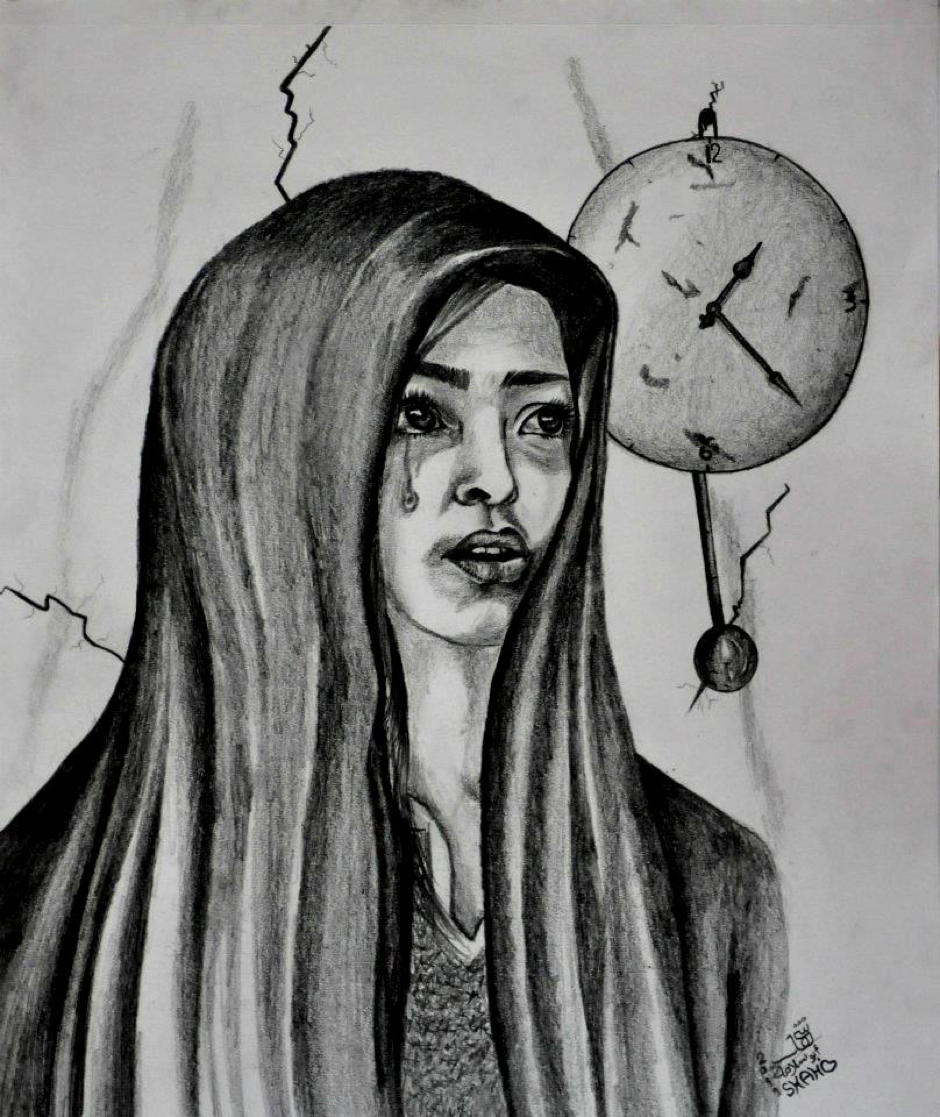


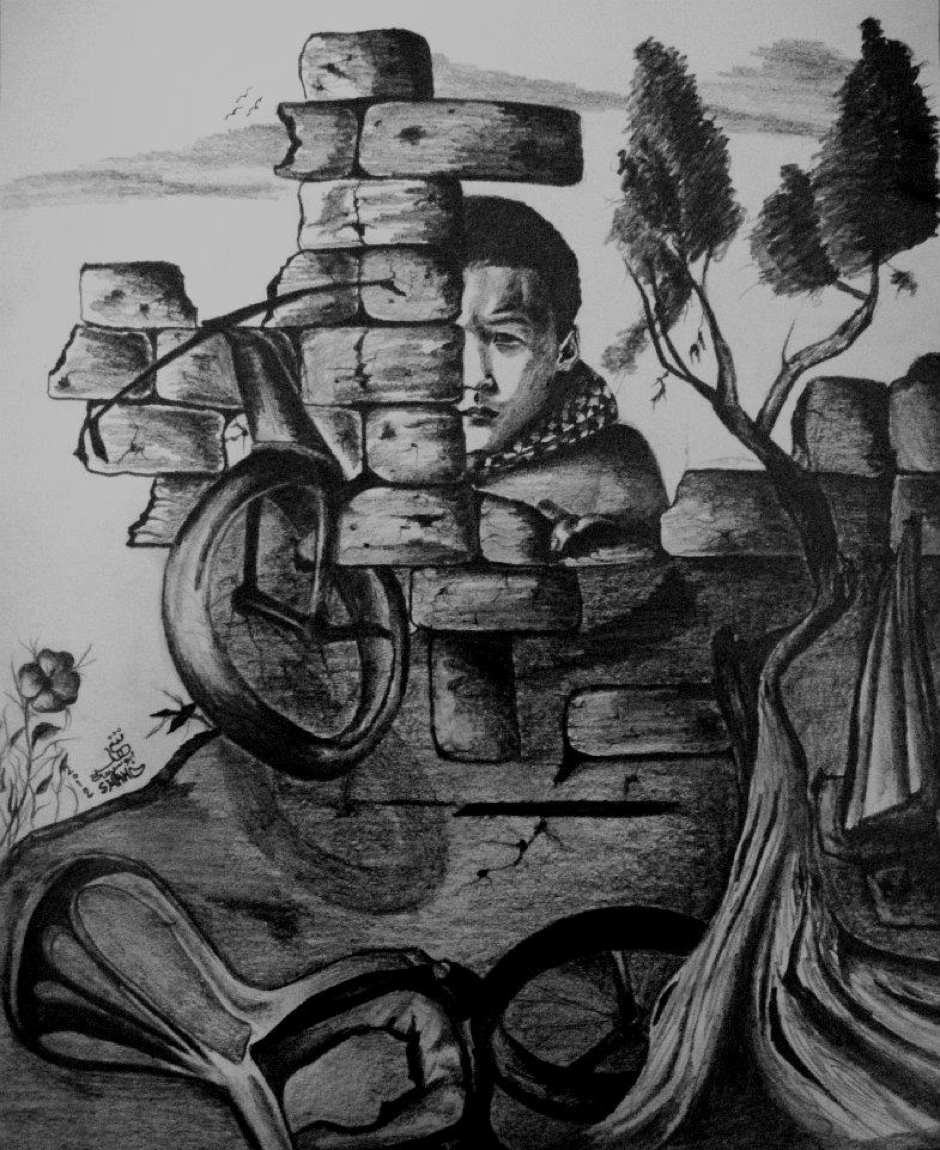



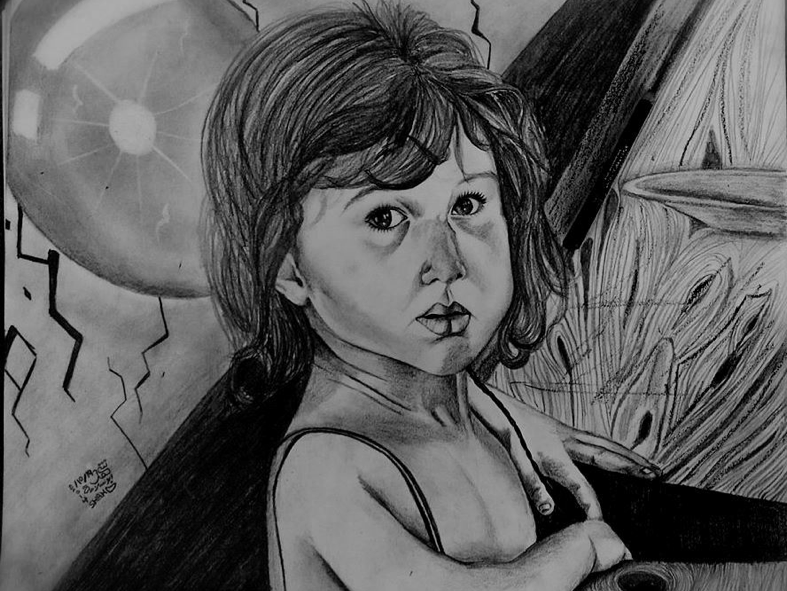
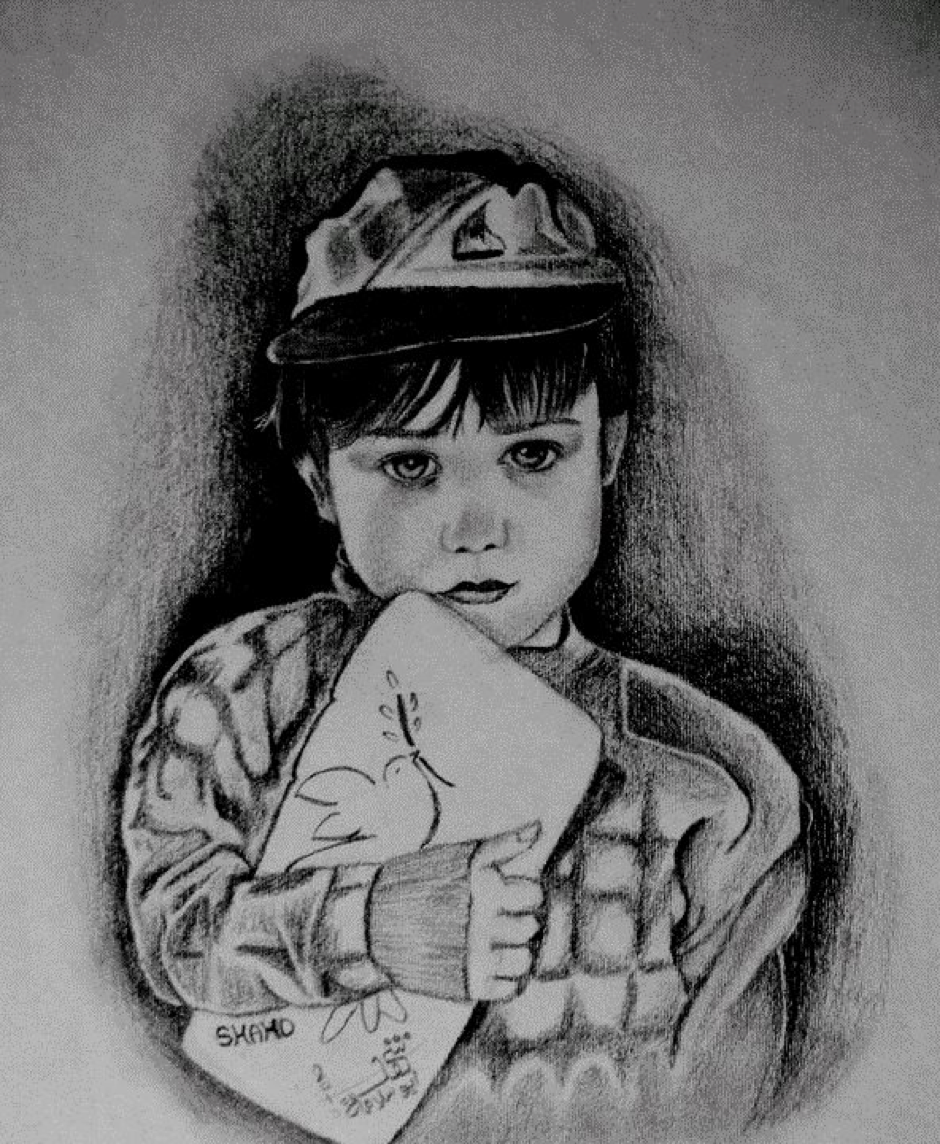


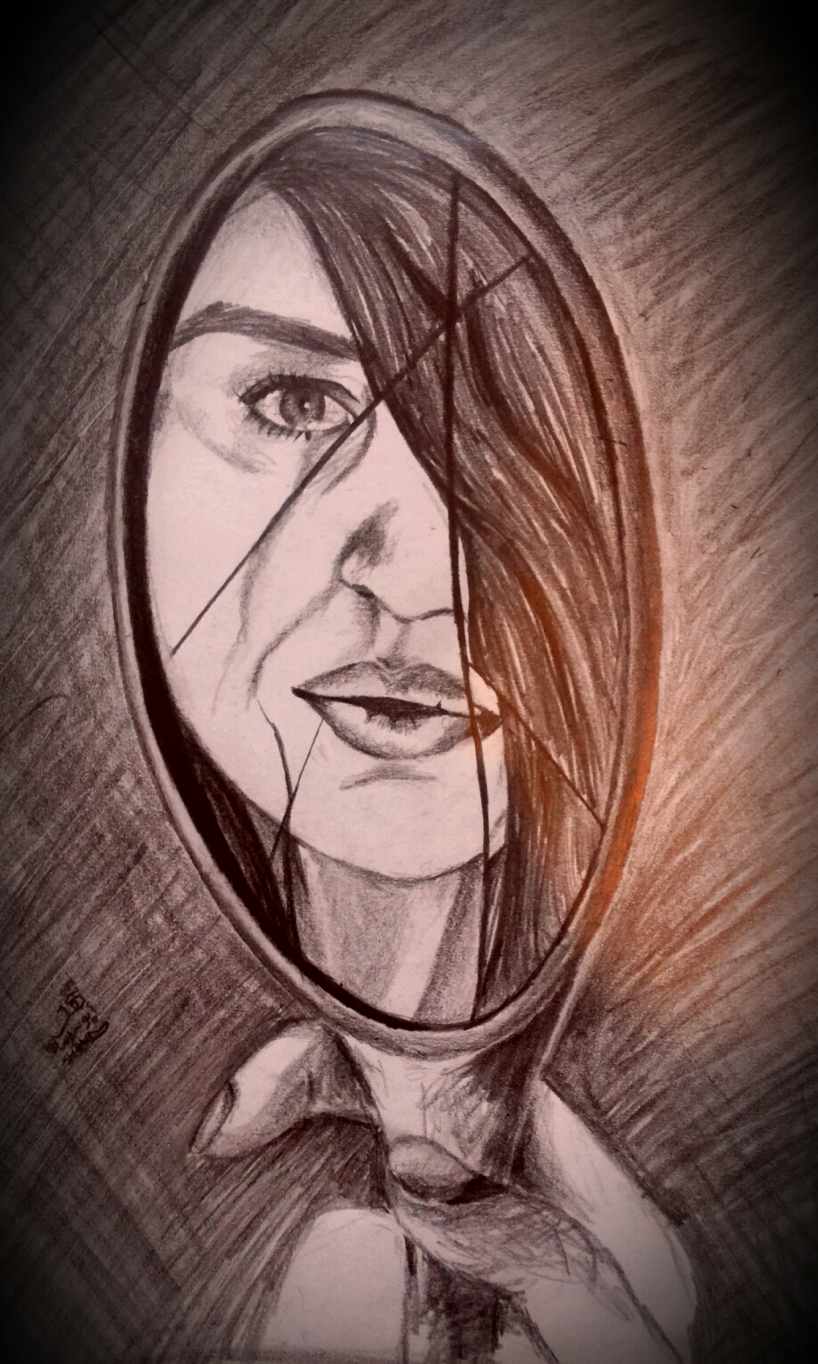
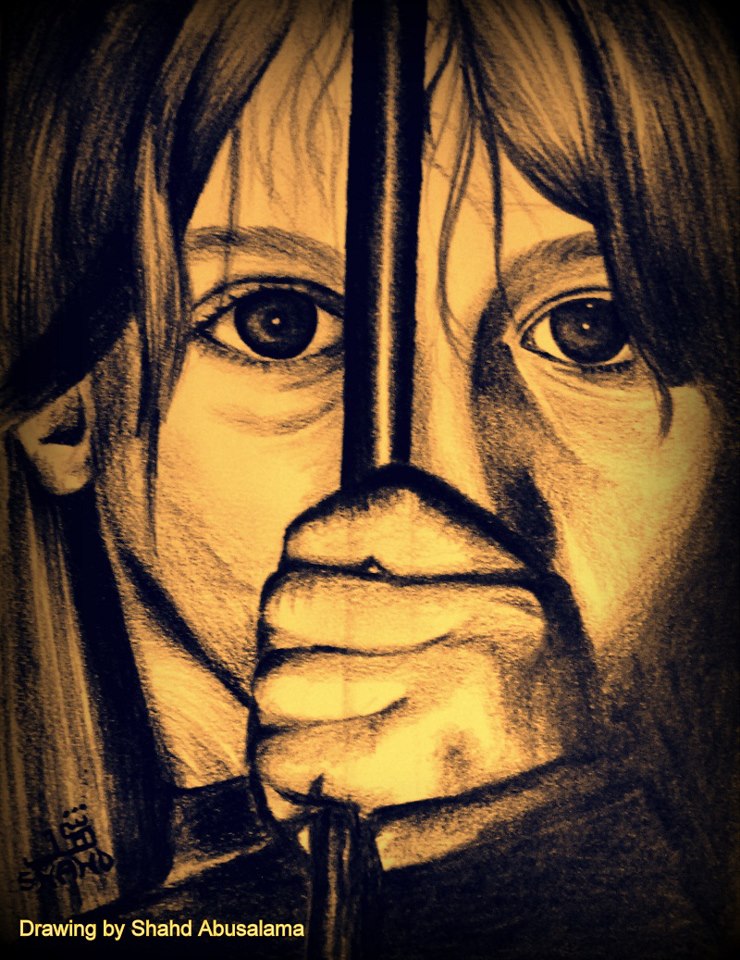




 PALESTINE FROM MY EYES