Generating a fearless and humanising narrative on Palestine!

Latest

Despite Abbas and Balfour, we will return to our homes in Palestine

Image

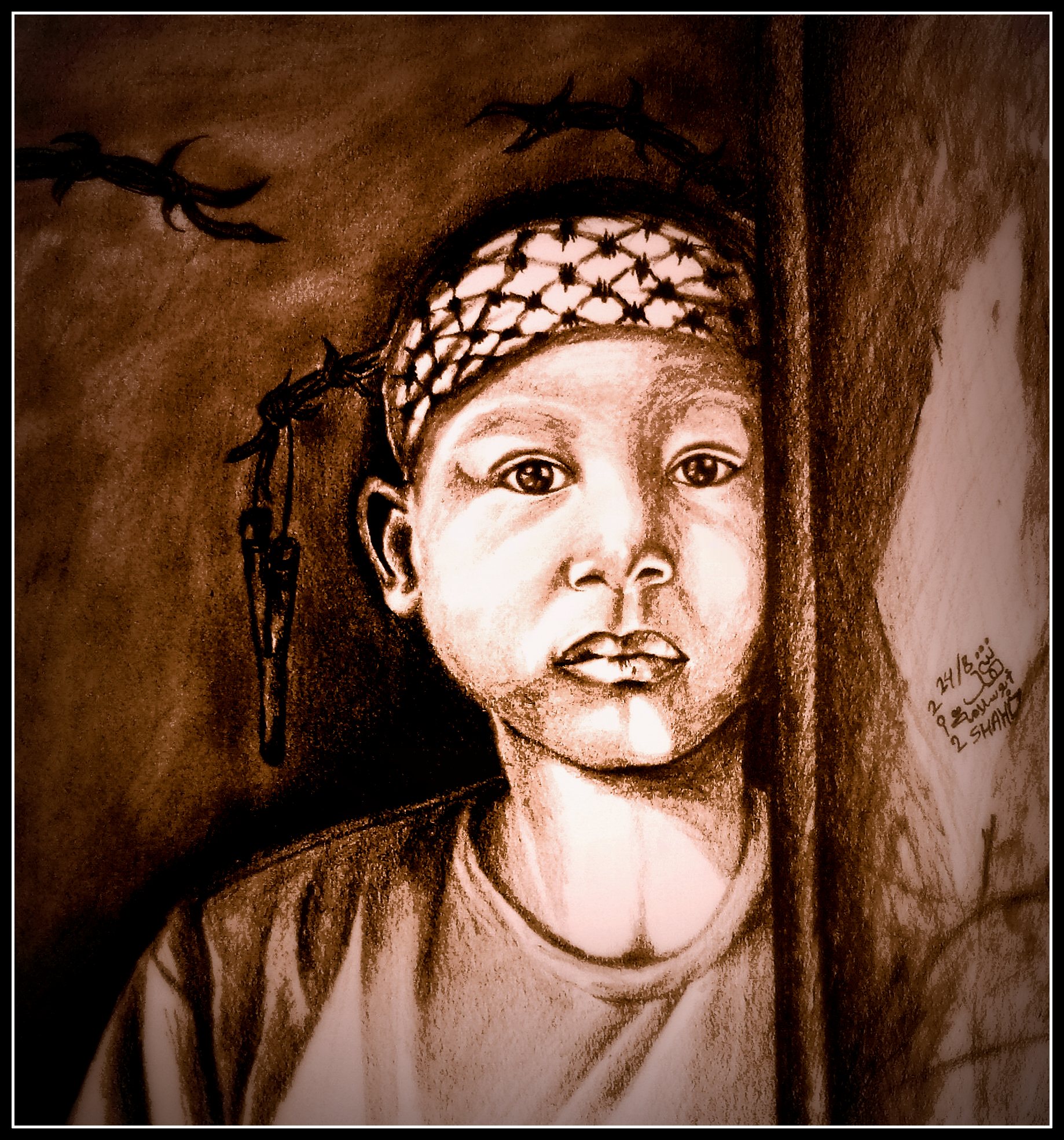
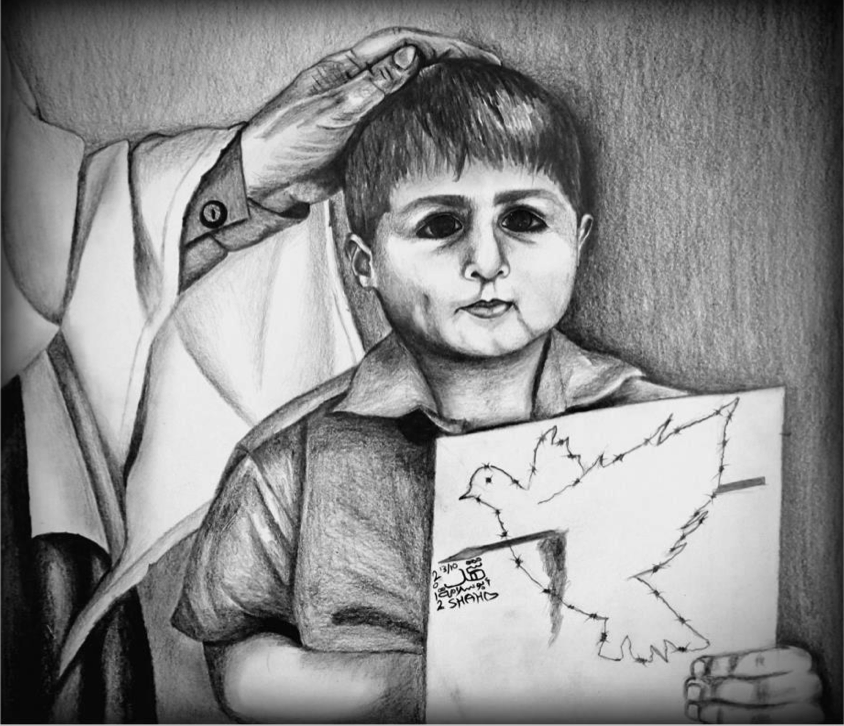
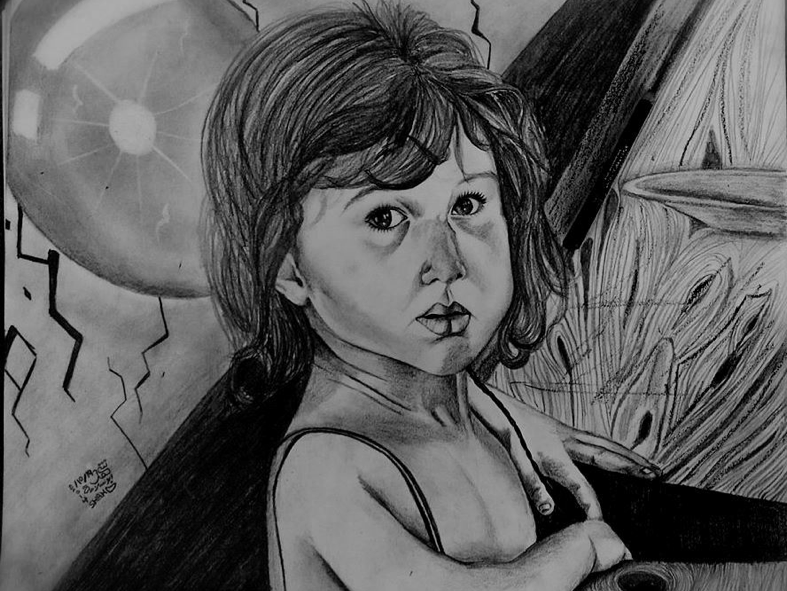
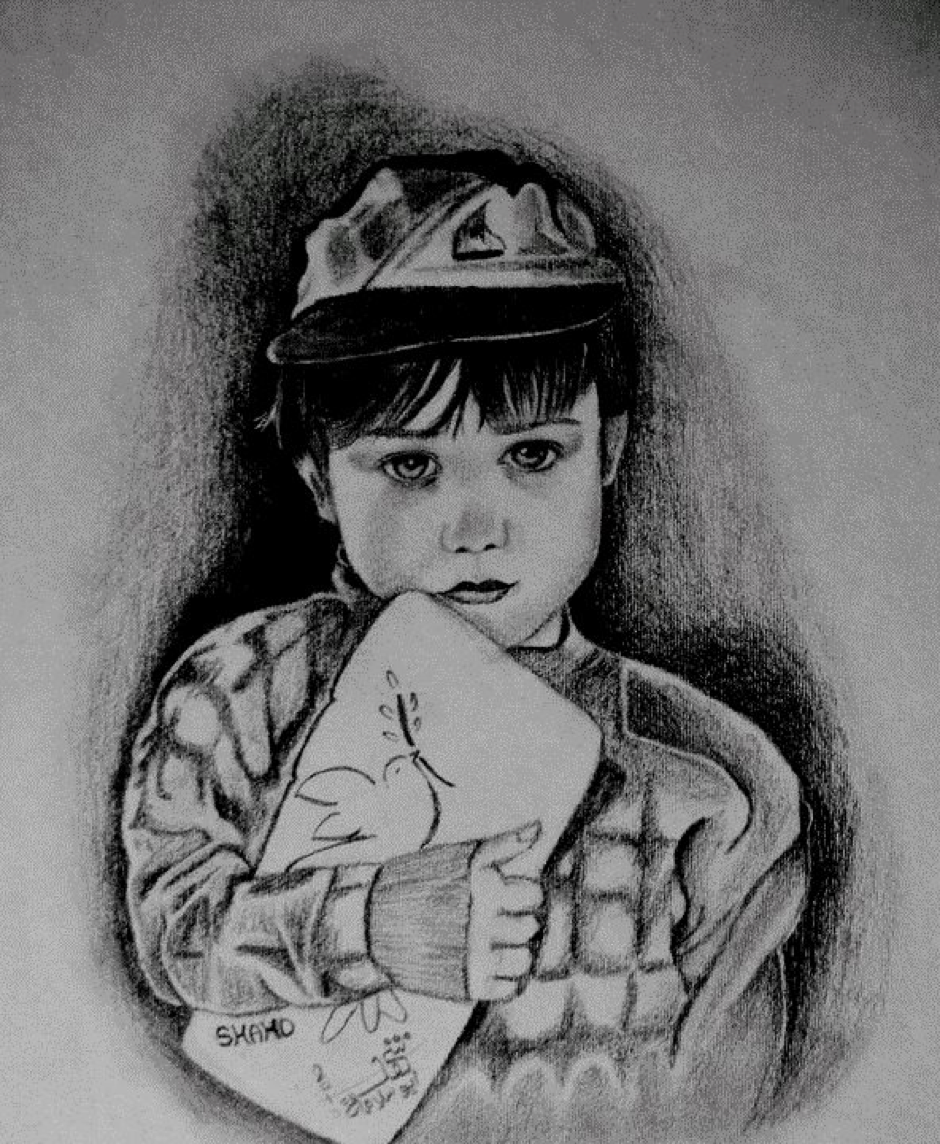
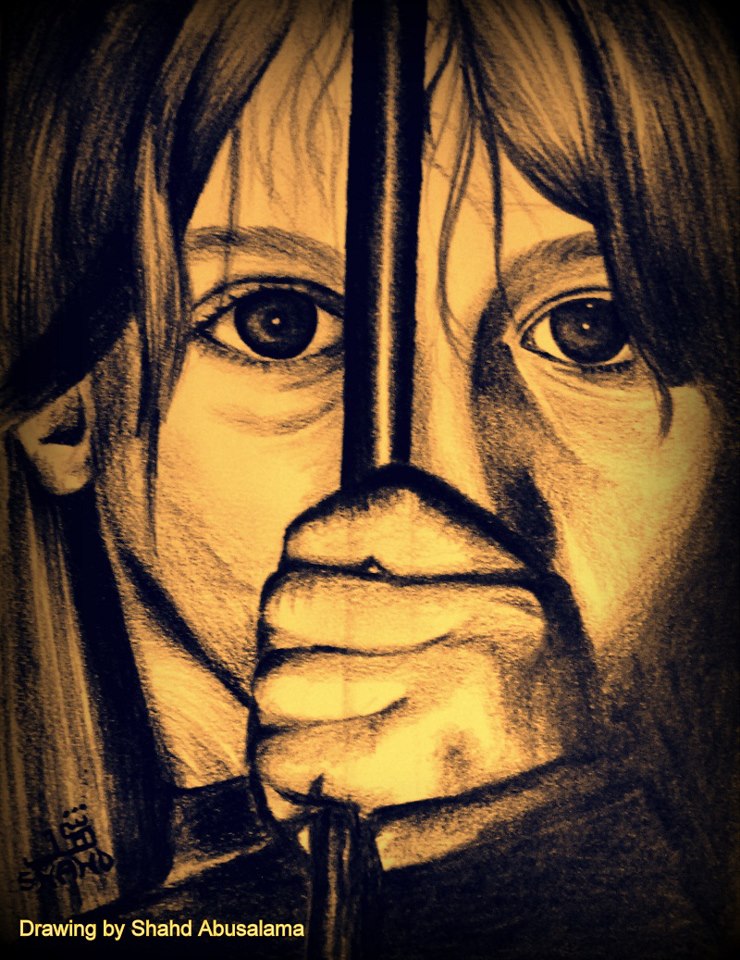
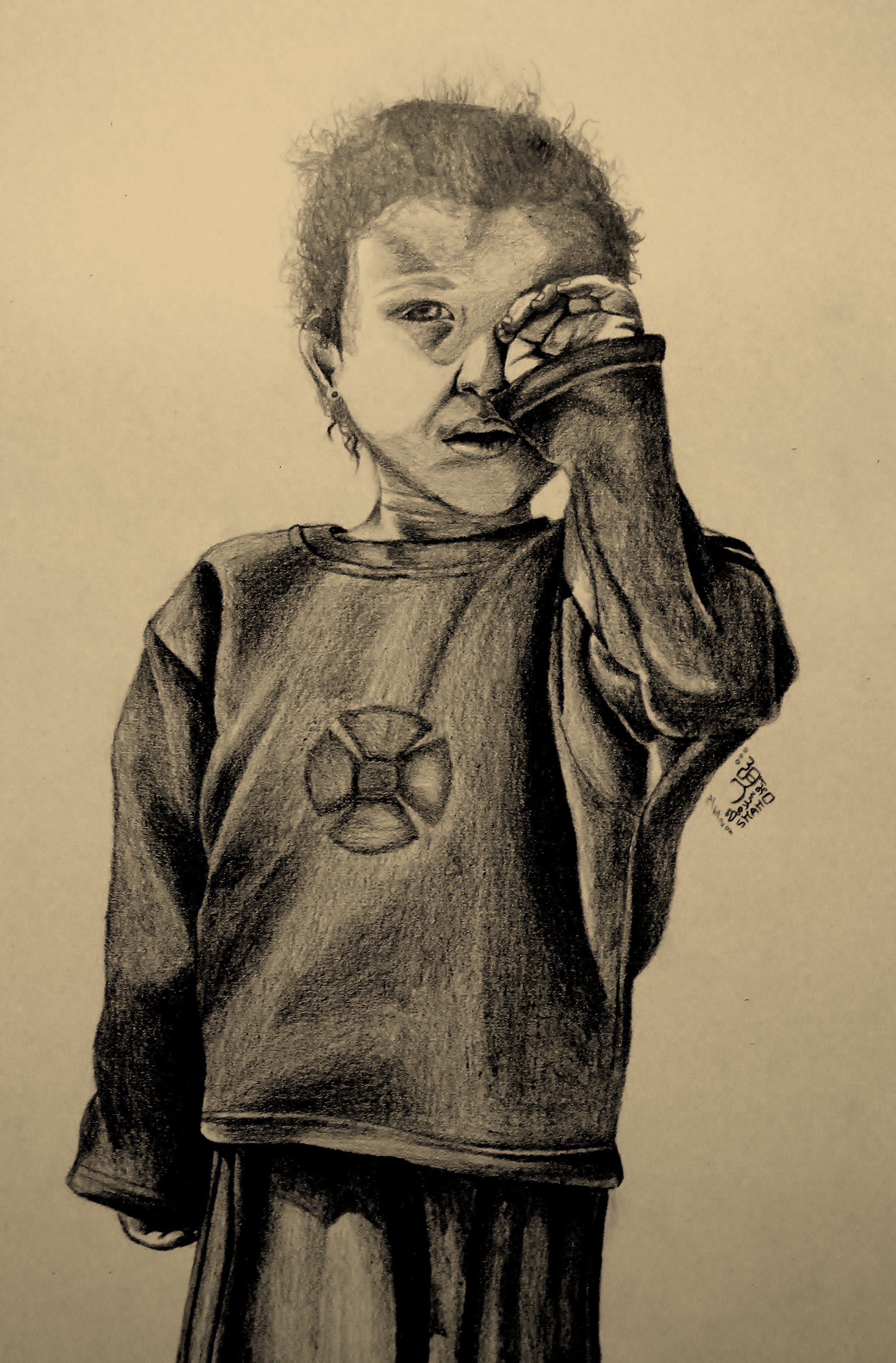
My latest drawing that comes as a response for Ben Gurion who said, “The elderly will die and the young will forget.”

Today, I look back in anger to a gloomy day in the Palestinian history. It happened 95 years ago, long before I could have witnessed it, but I still live its impact daily. Without even a shred of legitimacy, on 2 November 1917, the United Kingdom’s Foreign Secretary, Arthur James Balfour, promised the leaders of the Zionist movement they could establish their national homeland in Palestine, violating my people’s right to self-determination.

Balfour laid the groundwork for the conspiracy launched against the people of Palestine which led to our Nakba, the mass killing, dispossession, and systematic ethnic cleansing of the Palestinian people at the hands of Zionists gangs.

Great Britain is responsible for this atrocity against my people that the Balfour Declaration triggered, for the expulsion of three quarters of a million Palestinians, who with their descendants now number many millions more. It is also responsible for the Palestinians who survived the violence and mass expulsion, and were forced into ghettos within occupied Palestine under a military regime for decades.

An everlasting hope that has no remedy

Last night, I was reading Revolutionaries Never Die, the biography of George Habash, one of the Palestinian leaders who founded the Arab Nationalists Movement, and in 1967, the Popular Front for the Liberation of Palestine. In his book, he vividly describes the terror he saw inflicted on the people of his town, Lydda in 1948.

He wrote, “June 11, 1948 was the darkest day I ever witnessed in my life. Zionists arrived and ordered us to evacuate our homes … We were forced out of our homes, leaving everything behind under the threat of their weapons. I saw the neighbors fleeing their houses while being watched and threatened with violence. We didn’t know the reason for our mass expulsion. We thought that they planned to gather us in one of the fields to search our houses without having any witness, and then let us go back home. We never imagined that they were actually uprooting us, and that we would never return. Indeed, everything was organized to lead us outside Lydda as soon as possible.”

Not only George Habash thought that the Nakba was the darkest period in Palestine’s history. All the victims of the ethnic cleansing of more than 500 cities, towns and villages shared the same sentiments. I heard my grandparents repeatedly say them. They were expelled from Beit Jerja to the Gaza Strip, and they grasped the dream of return until their last breaths.

I recall my grandmother’s affectionate words when my siblings and I surrounded her once. “I lost my father amidst the panic of that gloomy day,” she said. “I never saw him again, so I realized that he was buried at home. But at the same day I lost him, I gave birth to your uncle Khader. This incident, with all its harshness, symbolized for me the Palestinian struggle, which will end only when we return.”

My illiterate grandmother couldn’t have been more right. The Palestinian struggle will only end when justice prevails, and no one will ever manage to distort this glorious struggle for justice. According to Mahmoud Darwish, “To be a Palestinian means suffering an everlasting hope that has no remedy.” After more than six decades of the Nakba, refugees have never given up hope to return, and they never will. There are those who thought that the elderly will die and the young will forget. We haven’t forgotten. We are still here, the young and the old, suffering the Israeli occupation’s terror and continuing our struggle for justice.

Whoever surrenders their right to return is no longer a Palestinian. To be a Palestinian is to be a revolutionary, born to struggle for all our grandparents possessed, their keys and their faith in our just cause. To be a Palestinian is to love and constantly feel attached to a homeland you never saw.

To be a Palestinian is to live maturely at a very young age, to grow up breathing politics, and to observe how others trade with your life and your rights. To be a Palestinian is to keep cultivating the national principles in your children and grandchildren, and to warn them never to digress or lead the cause in a different direction. To be a Palestinian is to never stop raising revolutionaries who will get what you couldn’t live long enough to accomplish. This is the cycle of the Palestinian life and struggle.

Abbas’ Balfour Declaration

On the anniversary of Balfour Declaration, Mahmoud Abbas came with another declaration competing with Balfour’s.

I felt sick when I first read an article about it. I could imagine Abbas saying this. At the same time, I wished that it could be fabricated news that he had renounced his — and our — right to return to our homes and villages. Then I saw the interview when he uttered those shameful statements, and I couldn’t believe what I heard. I am sure that the majority of Palestinian people and people of conscience worldwide were as frustrated as me.

“As far as I am here in this office, there will be no armed third intifada,” Abbas promised, stressing “never.”

Abbas, you are foolish if you think you can prevent the dignified Palestinian people from expressing their anger at ongoing attacks and violations of their most basic rights, and the ongoing expansion of Israeli settlements? You can’t stop them from practicing their legitimate struggle, through all legitimate means, to attain their justice, freedom, and independence.

Did Abbas forget that the first intifada was a nonviolent struggle, and that Israel is the party that turned to brutal violence, especially against children, to crush it? Did he forget that when the second intifada began, Israel fired a million bullets in the first days and weeks to try to crush it and dozens of unarmed civilians were killed in those first days?

Carlus Lattuf’s reflection on Abbas’s declarations

The right to resist is legitimate

Abbas said, “We don’t want to use terror. We don’t want to use force. We don’t want to use weapons. We want to use diplomacy. We want to use politics. We want to use negotiations. We want to use peaceful resistance. That’s it.”

With such a statement, Abbas is ignoring all the sacrifices Palestinians made in their legitimate struggle. Thousands of our people who never carried a weapon were cruelly shot dead or injured, tortured or imprisoned by the occupier. Who then are the “terrorists”?

And of course nobody supports “terrorism” or harming innocent people regardless of who they are. But with such a statement, does Abbas really mean to suggest that all those who used arm struggle to fight for the dignity and freedom of the land and people, are “terrorists,” as the Israelis claim? Was Dad a terrorist? Is this the “president” of Palestine talking, or an agent of Israel? Mr. Collaborator, we will never allow you to defile the names of our martyrs, who paid with their lives as the price for freedom.

I have always been proud to be the daughter of a freedom fighter. I believed Naji Al-Ali when he said, “The road to Palestine is neither far or near. It’s the distance of revolution.” Kanafani was one of the most accomplished young Palestinian patriots and intellectuals. At the same time as his pen commemorated the glories of martyrs, awakening people to their national rights, he joined the PFLP’s armed resistance. Kanafani was murdered by Israel’s Mossad.

Couldn’t Abbas grasp how insulting it was to Palestinians for him to use “terror” to describe their struggle? Or did the United States dictate to him to say so? Being ‘nice’ while addressing the ‘democratic regimes’ doesn’t mean giving up your people’s most basic rights guaranteed by UN resolutions.

I feel bad when forced to use UN resolutions and international agreements to justify our right to return and legitimate right to resist occupation and ethnic cleansing and to defend ourselves. Why should Palestinians, as oppressed people, have to use these resolutions to prove the legitimacy of our rights? They were issued only to absorb our anger, as evidence of supposed objectivity, not to be implemented. We, the Palestinian people, don’t want resolutions, we want actions! We want real justice, not just words tossed into the air!

Regardless, UN resolutions guarantee the right to use force in the struggle for “liberation from colonial and foreign domination.” General Assembly Resolution A/RES/33/24 of 29 November 1978:

Reaffirms the legitimacy of the struggle of peoples for independence, territorial integrity, national unity and liberation from colonial and foreign domination and foreign occupation by all available means, particularly armed struggle.

It is up to Palestinians to decide if they use that right, or pursue their struggle by other means, but how strange that Palestinians must defend their right to defend themselves, while, Israel, the invader, occupier and colonizer is always granted the right to “self-defense” against its victims! What Abbas seems to be saying is that Palestinians neverhave the right to resist or defend themselves as Israel continues to violently steal what is left of their land. That can never be true.

Giving up the right of return

Abbas crossed another red line, the right to return, also guaranteed by a UN resolution (194). “I am from Safed,” he said. “I want to see Safed. It’s my right to see it, but not to live there. Palestine now for me is the ’67 borders, with East Jerusalem as its capital. This is now and forever … This is Palestine for me. I am [a] refugee, but I am living in Ramallah. I believe that [the] West Bank and Gaza is Palestine, and the other parts (are) Israel.”

He didn’t only surrender his people’s right to return, he also surrendered his people. He couldn’t have had in mind Palestinians who steadfastly remained in their lands, torn between their Palestinian identity and their cursed Israeli passports, enduring daily harassment and discrimination. He also forgot the millions of Palestinian refugees outside Palestine, many still enduring horrible conditions in their refugee camps in the diaspora.

After hearing Abbas, I allow myself to speak on their behalf to reaffirm that Abbas doesn’t represent us. His declaration ignores the majority of Palestinian people, who still embrace their right to return. It is an individual and collective sacred right, which no one can surrender. Abbas also ignored the historical fact that Israel was established on the ruins of ethnically-cleansed Palestinians villages.

Abbas, I hang the map of historic Palestine around my neck, like it hangs on every wall of many Palestinian houses. Not a day passes without me pointing at my original village, Beit Jerja, while uttering the title of Mahmoud Darwish’s poem, “I came from there,” with a slight smile. It’s the last thought I enjoy every night as I close my eyes, recalling my grandmother’s vivid description of the green fields of grapevines and olive and citrus trees. We’ll never stop dreaming of a dawn when the Israeli apartheid regime no longer exists, and we return to both see and live there, walking freely through Haifa, Yaffa, Al-Lod, Nablus, Jerusalem, Gaza, Bethlehem, and every inch of historic Palestine.

“We’re counting on you”: In video, Palestinian students in Gaza call on peers around the world to intensify BDS

We, the Palestinian Students Campaign for the Academic Boycott of Israel (PSCABI), have created this boycott divestment and sanctions (BDS) video call for students around the world, believing in the power of youth to make a change. We specifically want to support and encourage students to attend the UK Student Palestine Conference 2012 on 23 September at the University of Manchester.

We want people around the world to move beyond just feeling solidarity with Palestine and to actually stand up for justice.

Don’t sit behind your TV screen and watch us getting killed, injured and detained in numbers, and feel sorry. Nothing will get better and Israel will, with impunity, escalate its inhumane practices and violations of Palestinians; human rights. When you watch our people dying while waiting for permits to cross the Israeli apartheid check points and react with feeling depressed, the situation will not change. Silence contributes to making our situation worse.

Silence tortures our hunger strikers inside Israeli jails and makes them go through a process of slow death. Silence contributes to the rising number of ill Palestinian prisoners who die at the Israeli apartheid checkpoints. Silence motivates Israel to terrorize us, massacre our people with their “world’s most moral army.” It allows Israel to attack our fishermen and shoot at our farmers while they work for a living in their lands located close to the “buffer-zone” —the ever-expanding area that separates Gaza from Israel. Farmers are banned from working on 35% of our total agricultural land, severely weakening the potential for economic and agricultural development in the Gaza Strip.

Silence is the reason behind the ongoing blockade on the Gaza Strip for the sixth year. Silence contributes to the Israeli apartheid policies which contributes to the isolation of Palestinian academic institutions. As I say in the video,:

“While Palestinians are not able to access universities and schools, Israeli universities produce the research, technology, arguments and leaders for maintaining the occupation.”

Silence encourages Israel to act as a state above law.

Many governments prefers to just watch Israel violating our rights and committing striking crimes against humanity,. But some do not just watch passively, they are active in their complicity as they continue their ties, including arms trade, with Israel, and thereby contribute to the normalisation of our systematic dehumanisation. However, you, “civil society, must hold them to account, since governments do not. As we, Palestinians, deserve the same rights as anybody else.”

UK students organize for action

A brave group of UK student Palestine activists decided to move and speak up loudly against Israel’s apartheid regime. They organized the UK Student Palestine Conference 2012 on 23 September at the University of Manchester. It aims to encourage students to put boycott, divestment and sanctions at the heart of their solidarity actions.

Organizers are aiming higher than ever:

Together we will form the steps necessary to guarantee that this year our commitment to justice in Palestine exceeds all previous years; our activism brings achievement and that our campaigns bring results. With the rising Boycott, Divestment and Sanctions movement and the threat it poses to the Israeli Apartheid system, it is now time that we as students go beyond just being members of our Palestinian solidarity group and become change-makers – on campus and across the UK.

The conference’s goals include:

To Give students the ideas and tools they need to build effective campaigns, particularly Boycott, Divestment, and Sanctions efforts.

To Link Palestine Societies with other national and international organizations, so that they have better access to outreach, speakers and resources.

To Develop effective and safe methods of communication between UK student activists.
These goals mean building creative and engaging campus campaigns which seek freedom, justice and equality for all Palestinians; involving new people on the issues; challenging academic discourses; and with Boycott, Divestment and Sanctions, creating real political and economic pressures while narrating Palestinian identity.

Those passionate activists who organized this conference are taking big strides towards justice for Palestine and they inspired us to send this video message to support their call for students to come to the conference and get involved.

BDS gives Palestinians hope

We want say to all the activists that we want you to double your efforts because every success that the BDS activists accomplish brings us, the Palestinian people, more hope that justice isn’t far away. Every BDS success makes us feel like we made a stride forward towards freedom, justice, equality and return.

The Palestinian call for BDS was inspired by the South African struggle against apartheid and the responsibility that the international community shouldered to fight injustice and inequality, which helped abolish the apartheid regime. “South Africa is leading the way because they know what racism means. With hard work the same can happen at your university.” That’s why we started our video saying, “We, the students in Palestine, believe in you. But we demand more from you this year. This year we hope for results.”

It’s time to push even further to boycott Israel and isolate it until Palestinians enjoy their full human rights. I believe in the power of BDS to help Palestinians regain their rights and exercise self-determination. Without justice and equal rights for everybody, there can never be a just and sustainable peace in the entire region.

The video includes music by Marcel Khalife, who dedicated his life to singing for justice and freedom for Palestine and immortalized our great Palestinian poet Mahmoud Darwish, by singing his lyrics that take one’s breath away.

Please share this video and spread it worldwide. Make our voice heard and act. “Make this year, not only about solidarity but change, too. Palestine needs political action from you. This year, we’re counting on you.”

Justice for Vittorio in Gaza, but Israeli impunity continues

The portrait that I drew for Vik after 3 days of his murder

It is ironic that justice has come for Vittorio Arrigoni and his family as we commemorate the anniversary of the Sabra and Shatilla massacre, one of the most atrocious crimes ever committed against us, against anyone. Thirty years have passed since it happened in the Sabra and Shatila refugee camps in Lebanon by a Lebanese Phalangist militia trained, supported, and secured by Israel. The blood spilled in less than three days, the elderly and the babies killed and tossed into rubbish heaps, women raped and brutally killed: the horrors unleashed on a vulnerable village knew no bounds. The memories of this atrocity are too painful to forget and the wounds it left in the Palestinian people’s hearts are just too deep to heal.

Justice was done for Vittorio — Vik, we called him — by Hamas, an organization that almost the whole world branded as a ‘terrorist’ organization and opposed when they were democratically elected in 2006. But justice for the thousands of victims of Sabra and Shatilla, a slaughter in which Israel was entirely complicit, has not yet been achieved.

And neither has justice for Rachel Corrie, killed in 2003 by a soldier of “the world’s most moral army.” He ran over her body with his Caterpillar bulldozer while demolishing a Palestinian home in Rafah that she gave her life trying to save. Less than a month ago, almost a decade after Rachel’s murder, an Israeli court in Haifa ruled that it was merely an “accident” for which the State should not take responsibility.

I decided not to attend the final court hearing for those suspected of killing Vittorio on Monday. I tried it once last April, but it was just too painful to watch the endless procedures mask the horror of the truth people were trying to find. I remember how I sat and shook, bit my nails, bowed my head, and looked at my tears falling on the floor. I remember how intolerably annoying it was to hear the murderers’ voices speaking of morals and respect while they had no shred of morals, respect, or humanity. I remember how I couldn’t bear to remain until the end and escaped the court to express my anger and sorrow at his murder outside.

At the time of the verdict, I sat in a cafe hall named after Vittorio Arrigoni, waiting for Adie Mormech, a British activist who was one of Vik’s best friends, to tell me what the court had ruled. He said that Mahmoud Salfiti, 23, and Tamer Hasasna, 25, were sentenced to life imprisonment, plus 10 years of hard labor, for kidnapping and murder, while Khader Ajram, 26, was sentenced to 10 years of imprisonment with hard labor for assisting. The fourth, Amer Abu Ghula, fled Gaza after the killing and was sentenced in absentia to a year of imprisonment for harboring fugitives.

I didn’t know how to describe my feelings about the criminals’ sentences. I don’t suspect them to be unjust. But something tells me that this trial only punished the hands behind this crime, not the minds that plotted it. I also believe that with the killing of the Jordanian Abderrahman Breizit and the Salafi Bilal Al-Omary during their shootout with Hamas forces, many facts were buried as well. This trial didn’t answer all our questions and left us still wondering, who benefited? Who had the most to gain from the murder of Vittorio Arrigoni and Juliano Mer Khamis who was killed in Jenin shortly before?

Even after the convictions of Vik’s murderers, they can never absorb the grief that his family and friends felt and still feel over his loss. Since his killers sentenced us to live the remainder of our lives without him around, Vittorio’s physical absence has been difficult. I still find it hard to imagine that we will have to continue without his laughs filling the room, without his voice singing, “Unadikum, ashod Ala Ayadikum,” “I call to you all. I take your hands and hold them tightly.” I know it’s been more than a year since he had his last Friday dinner with my family, but no Friday has ever passed without his memories flooding into our minds. His spiritual presence is very strong almost every place I go, especially in our house.

I see him in every corner of our home, on the sofas sitting and smoking his pipe while drinking coffee, on the dining table using his unique sense of humor to make us laugh and distract us from eating, even in the street in front where he frequently had football matches with my youngest brother Mohammed and other internationals activists such as Adie and Max Ajl. He also used to chat in the garden with my father about his immense pride in his grandparents who resisted fascism in Italy, a legacy that inspired him to fight the fascist policies of Israel against the Palestinians.

My second portrait of Vik in his first anniversary.

I will never forget you, dear Vik, and I’ll always cherish your memories dearly. We still laugh very hard when we hear any of my family or our friends imitating you, speaking your countable Arabic words that you used to repeat over and over again, “Zaki, Mushkili, Mish Mushkili, Mumkin, shway.”

You will live immortally in every heart of every Palestinian, every farmer, every fisherman, and every child in the Samouni family to whom you gave your strength and sympathy. In the massacre, you were there for them like for so many others, right from the moment Israel forced a hundred of them into one house, before dropping a missile on them all. You were one of those trying to reach them, as the dead and injured lay together under the rubble for four days. 29 of them were killed, yet three years later Israel’s military prosecution absolved the Israeli army of wrong-doing, arguing that the massacre had not been carried out “in a manner that would indicate criminal responsibility.”

I hope you’re resting in peace, looking upon us from heaven, and smiling. Be sure that those murderers didn’t kill you, but made you immortal. You have become a symbol of humanity, an icon of Muqawama, the tattoo you chose for your right arm out of your faith in our cause and as a promise to the oppressed Palestinian people to never end the struggle for real justice. We will carry on the fight, and we will achieve the aim you sacrificed your life for: “Freedom, justice, and equality for Palestine.”

Related articles:

1-  The article I wrote for Vittorio in his first birthday after his loss reflecting upon his birthday that we celebrated together the year before.

2- The article I wrote five days after his murder. 

Samar Al-Barq’s father: “Every minute matters in his life now”

Samer Al-Barq’s father protesting at the Egyptian embassy in Ramallah yesterday, appealing them to receive Samer in Egypt

“Dignity and freedom are more precious than food.” This is the belief that arms our Palestinian political prisoners and strengthens their determination against Israeli jailers.

The revolution of hunger strikes inside Israeli jails continues. Palestinian icon Khader Adnan’s hunger strike against administrative detention lasted for 66 days and ended with victory. This awakened our heroes’ pride to continue what Khader Adnan started and put an end to indefinite internment without charge or trial.

Waves of individual hunger strikers have joined the battle since then, including Hana Shalabi, Thaer Halahlah, Bilal Diab, and Mahmoud Sarsak. The victories these former administrative detainees won freed them from Israel’s hands and inspired more to carry on the fight.

Currently, four other administrative detainees are on hunger strike: Hassan Safadi, Samer Al-Barq, Ayman Sharawna, and Samer Al-Eisawy. Each has his own story of bitterness and poise.

The other evening, I went with a group of friends and relatives to the beach to escape the power cuts at our houses. I planned to enjoy the sunset and breathe fresh air while chatting about my sister’s wedding in a month. Instead, I found myself saying how ashamed I felt for getting preoccupied with studies during my exams and not blogging about the hunger strikers. That started an endless, emotional conversation about them. It was very late when we realized that we had been so absorbed by the conversation that we missed the sunset.

“Why haven’t Samer Al-Barq and Hassan Safadi reached any victories yet, even after their hunger strikes broke records?” we wondered.

Who should we blame for the critical condition they face? Should we blame Palestinian leaders, for whom the issue seems unimportant?  Or those politicians who trade with Palestinians’ lives? Or divided factions who care for their own gains more than the public interest? Or the popular movement inside Palestine that is not doing enough? Or the deteriorating economic situation that chokes people in Palestine and pushes them to burn themselves like Ehab Abu Nada? Or the international community and human rights organizations who stay silent while watching these crimes against humanity in Palestine, either in Israel’s jails, in the Gaza Strip’s open-air prison, or in the occupied West Bank?

I feel confused. I can excuse my oppressed people, for their priorities have reversed.  They also face slow death under Israel’s stifling apartheid regime. All they care about is surviving each day. They don’t dare to have future plans because they don’t want to be wishful in a place unsettled politically, economically, and socially.

But what about free people around the world? Our hunger strikers are freedom fighters, struggling for justice, for humanity. Why turn your backs on them?

When I returned home from the beach, I phoned Samer’s family in Jayyous, a small village near Qalqilya. My hands shook when I spoke to his father. I thought he would appreciate a call from Gaza. He did, but in my heart, I felt useless and ashamed that my call came late, as he is expecting to hear the news of his son’s death any moment. I knew, though, that my words would be useless. I tried to pull myself together and not to cry as I told him, “I pray you strength, and that you will hug your son alive and victorious soon, inshAllah,” but I wasn’t strong enough to control my shaking voice.

Every minute, if not second, can make a difference in Samer’s life now. He began a hunger strike two days before the mass strike started on Prisoners’ Day, April 17, to protest his administrative detention. An end to administrative detention was one of the mass hunger strike’s demands. In exchange for its end, an agreement was reached on May 14 between the Israeli Prison Service and the higher committee of the hunger strike, with Egyptian mediation, to meet our detainees’ demands.

Addameer reported, “The agreement included a provision that would limit the use of administrative detention to exceptional circumstances and that those held under administrative detention at the time of the agreement would not have their orders renewed.”

Accordingly, Samer ended his strike. But a week after the 28-day mass hunger strike ended, he discovered that his administrative detention order had been renewed. That pushed him to resume his hunger strike to protest this violation of the agreement.  His renewed hunger strike has lasted 110 days.

“Since Samer started his hunger strike, we have been banned from seeing him,” his father told me on the phone. “To pressure him to end his hunger strike, the IPS denied his right to family visitations. We have heard nothing from him since then, only from the International Committee of the Red Cross (ICRC).”

I asked his father if I could speak to Samer’s mother. “His mother barely speaks at the moment,” he replied. “She is traumatized and depressed by what her son is enduring. She weeps over Samer all day. She stops only when she falls asleep.  She was hospitalized a few times. Pray her strength!”

I stayed silent for seconds, unable to say anything. I couldn’t imagine how painful it is for a mother to witness her son’s slow death. But he resumed angrily, “It drives me mad to see my son detained until now for no reason.”

“Nothing at all was found against him?” I interrupted.

“Not at all, except him being a religious man with a beard who lived in Pakistan, earned his master’s degree in science analysis, and taught science in its universities,” he continued. “He married there to a Pakistani woman, but barely lived a year in peace with her for unknown and mysterious reasons.”

“He was kidnapped from Pakistan by Jordanian intelligence and detained in Jordan for about five years without charges. Then Jordanian intelligence delivered him to Israel in July 2011, to hold him indefinitely, again without charges. Since then, his administrative detention order has been renewed seven times.  The last was on August 22, after over three months of his hunger strike. His rapidly deteriorating medical condition didn’t stop the merciless IPS from extending his detention.”

Samer’s time in detention was very tough. He spent three years of isolation in Jordanian jails. When he was arrested by Israel, he endured even more brutality, especially during his hunger strike.  Trying to pressure him to end his strike, the IPS transferred him to Ramla Hospital Prison, or the “slaughterhouse,” as many ex-detainees describe it when recalling the medical neglect, humiliation and discrimination they endured there.

Akram Rikhawi, who suffers several medical problems, and who went on a 102-day hunger strike against the medical neglect he and his disabled and ill comrades endured inside Israeli jails, described the Ramla Hospital Prison as “a slaughterhouse, not a hospital, with jailers wearing doctors’ uniforms.”

The IPS pressured Samer and his comrade Hassan Safadi to end their hunger strike using various methods. They were put in a narrow isolation cell, with barely any space for their shared wheelchair, and shackled them to their hospital beds, even though they could barely move. Even worse, they were physically attacked by jailers whenever they protested against their terrible conditions in Ramla. On August 13, Hassan’s head was slammed against the iron door of his cell twice, causing him to fall to the ground, unconscious. Prison guards then dragged him through the hall, past all the other prisoners.

Samer’s father told me, “A delegation from the ICRC and Physicians for Human Rights – Israel visited us recently and said that Samer’s death is imminent, unless a miracle happens to rescue him. He has lost more than 20 kilograms so far.”

To convince Samer to end his hunger strike, Israel agreed to deport him, but not within the Palestinian territories, because he poses ‘a threat’ to Israeli security. Remember that the deportation of Palestinians, within or outside the Palestinian territories, is a war crime under Article 49 of the Fourth Geneva Convention. But while Israel searched to see if any country will receive him, he is welcome nowhere! No country wants him because he is a “global threat.”

Yesterday, Samer’s father protested at the Egyptian embassy in Ramallah to ask it to receive Samer in Egypt.

At the end of the call, I asked his father to tell me what he wished to tell the world. He replied, passionately and quickly, “His hearing is on Sunday, September 9, and no one knows if the court will decide in Samer’s favor or against him. Besides, I don’t even think that Samer can wait for days. He’s motionless on his hospital bed suffering gravely,” he said.

“Every minute matters in his life now. I want them to know that my son isn’t on hunger strike in search of death. He is simply desperate for a real life with freedom, dignity, and justice. I urge them to take action, or if he dies, the responsibility for his death will be on our shoulders.”


Updates about Samer Al-Barq can be found here

My Birthday Wish and Drawing: Next Year in A Free Palestine

This is my favorite birthday wish. My friend Maath from Jerusalem started it and then all my tweeps started quoting it. Words can’t describe how pleasant this thought is and how much I enjoy daydreaming about it. But as much as I like daydreaming about it, as much as it hurts me when I get struck when I wake up and I have to face the reality, the fact that it can’t happen in matter of a year, or another 21 years, or even a century! It made my eyes, that are always longing to see Jerusalem and feel Jaffa beach’s refreshing breeze again, cry, because I never know how far this dream is from coming true.

But as I was trying to wipe my tears away, I decided to keep thinking positively of the blessings I have. I didn’t stop crying, but the tears I had were happier and filled with hope. While sitting alone, with one eye on my incomplete drawing and another on my blog, I could manage to preserve my positivity. I realized that even the horrible situation we endure in Palestine, under the apartheid regime of Israel, deprived of freedom, security and dignity, is somehow a blessing. It’s true. Palestine has always been my inspiration and my motive in my path toward striving for justice. Palestine, my people’s daily life, and my unique life under constant terror and insecurity have contributed a lot to making me the person I am now. My Palestinian identity and the Palestinian  cause have been the main theme of my drawings and writing. I’m very blessed that I was born on this holy lands, even though I have hardly lived even a single day in peace. I’m thankful I was born on this land, which has been always the home carried in my heart wherever I went. I’m thankful and proud because I was born with a Palestinian spirit, unbreakable, dignified, and challenging.

I will not stop dreaming. I will not lose faith that freedom and justice are near. And if I don’t live long enough to witness the freedom of Palestine, my children will. My passion for a just peace will keep pushing me forward, if not for me, for the generations after me. Hopefully, a day will come when we look back at this painful present as an ugly past. There must be a light at the end of the tunnel. No one knows how long it will take to reach the very end of Palestine’s tunnel, but we will stay steadfast until we reach the light, the bright future of justice, freedom, and equality.

My drawing of my birthday is complete now… I’m going to give it a title of “Next Time in A Free Palestine”.

“Next Time in A Free Palestine”–August 24, 2012

Good news I receive as I’m turning 21:

I’ll take this opportunity to first thank Twitter for introducing many amazing and encouraging people to me, including Jareer and Muiz. These two tweets above are my other my favorite birthday greetings. I wanted share these tweets with you as an introduction to the coming news.

https://twitter.com/TamamAbusalama/status/238394827824324609
Recently, I got an offer from an Italian writer and published named Luigi Lorusso to translate my blog into Italian and publish it as a book with the name of my blog ,“Palestine from My Eyes.” When I received this news, I left my laptop open and started jumping and screaming with joy. My smile was so big, it left my cheeks hurting for hours! I am mostly happy because the stories I write from a human dimension about Palestinian political prisoners and their families, and my personal writings on what it means to be a Palestinian, will be heard by a wider audience. I’m very grateful for this appreciation of my work. I can’t wait to hold the hard copy of the book! It’s a success that I’ll be always proud of and thankful for.

Something I feel very humble and thankful for is my family and my close friends, who overwhelm me with their love and care. I thank you for being such an inspiration in my life. I hope you always remember that I would have never achieved what I have without your support and love. You were always there to raise my confidence in myself when it was shaking. You were always there when I needed a shoulder to cry on. You were always the first to share my happiness and sadness with me. I’ll be in awe of all of you forever.

Thanks for my dear childhood friends Sarah and Amjad for making me a surprise by coming and bringing this cake for me! You made my day even more special <3

YouthSchool Eid Card- “Images of Resistance”

This slideshow requires JavaScript.

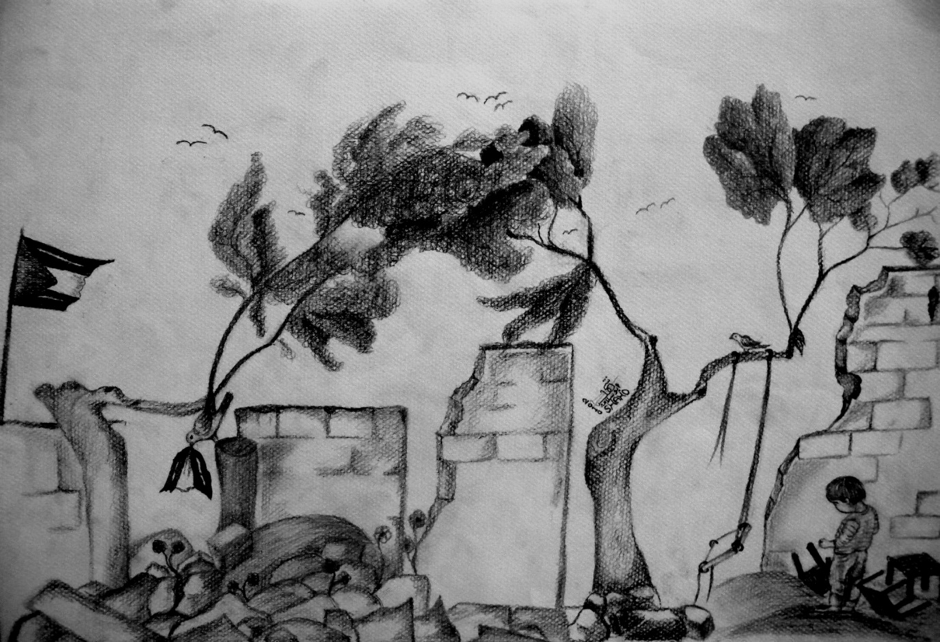
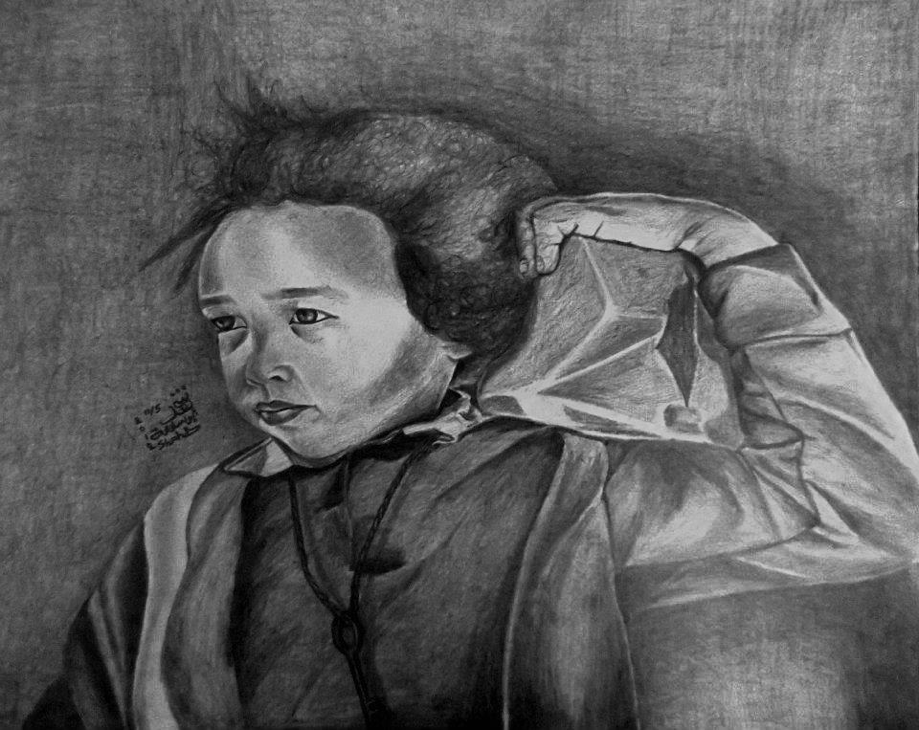
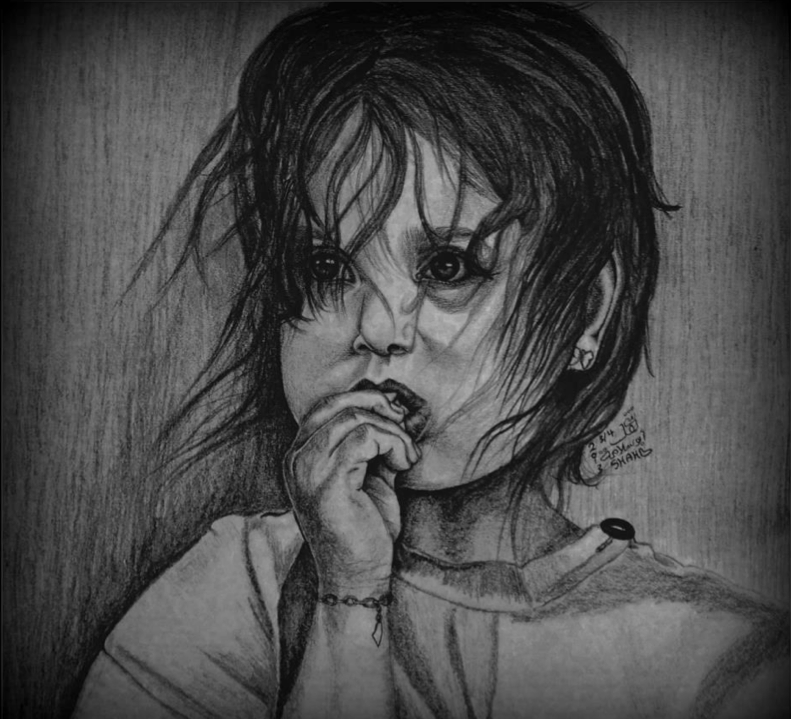
Eid is around the corner. This post is to send best wishes for all Muslims around the world through this slideshow. I did these drawings before Ramadan 2011 so they could be featured in YouthSchool Eid Card project – “Images of Resistance”. Through these images, I tried to portray the excitement and the joy that the children of Palestine have while waiting for Ramadan and Eid. In the same time, I meant to show what it means to be a Palestinian. We’re simply a combination of hope, defiance, pride, love, and anger. We challenge occupation, apartheid and blockade and we continue living, resisting through living. We smile despite all difficulties, a sign of our inner strength that cannot be defeated. All Israel can do through its inhumane practices is to make us more Palestinian. Let’s be hand in hand for the sake of humanity, for justice in Palestine.
Want to order your own set of Eid Cards? Contact YouthSchool right away and they can ship it for you as soon as possible.

I hope you like my drawings. Eid Mubarak!

My Drawing of The Palestinian Poet Mahmoud Darwish

Image

My portrait of Mahmoud Darwish. The quotation on the drawing is his. It says: “Oh friends of who had gone far, don’t ask, “When will he come back?” but ask, “When will the people of conscious wake up?”

Today, August 9, is Mahmoud Darwish’s anniversary. I did this drawing to commemorate his soul and to emphasize that his soul is always present as an inspiration for many of us. Mahmoud Darwish is my favorite Palestinian poet and my teacher of life and humanity.  He left for us a lot of humanitarian lessons to learn such as “Think of Others”, my favorite poem of him. He is an icon of peaceful resistance. Israel has always thought of him as a dangerous threat even though his only weapon was his creative pen.

Darwish’s simple but highly powerful poems has always inspired me to keep resisting and fighting the Israeli apartheid regime any way I can. His words always take me to my fantasy world that I always dream to live in, a pure world that is full of love, peace and people of conscience. 

Here is my translation of his poem “Think of Others”. But it’s certainly nothing like the original!

As you fix your breakfast, think of others. Don’t forget to feed the pigeons.

As you fight in your wars, think of others. Don’t forget those who desperately demand peace.

As you pay your water bill, think of others who drink the clouds’ rain.

As you return home, your home, think of others. Don’t forget those who live in tents.

As  you sleep and count planets, think of others. There are people without any shelter to sleep.

As you express yourself using all metaphorical expressions, think of others who lost their rights to speak.

As you think of others who are distant, think of yourself and say “I wish I was a candle to fade away the darkness.”

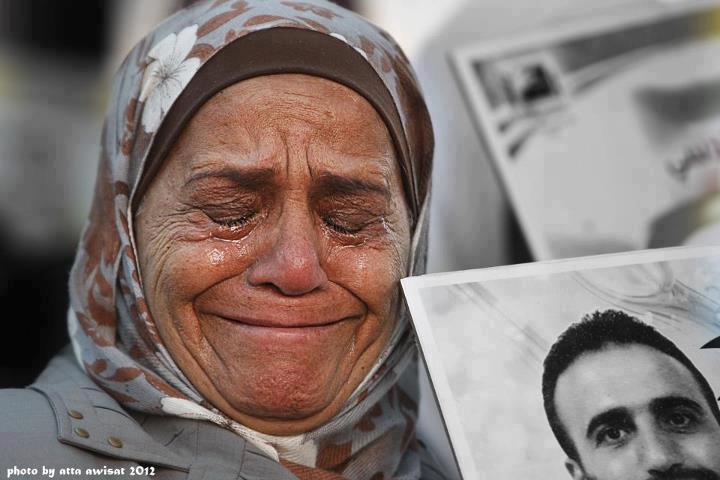
“Godono di spezzare i cuori delle madri sui loro figli”: Gaza piange la madre di un detenuto – di Shahd Abusalama

PS: My Italian friend Angela Bernardini translated my latest article about Aisha Islieh to Italian! Grateful for her, I decided to share her translation on my blog for my Italian audience!

“I detenuti passano la loro detenzione in attesa delle visite delle loro famiglie” papà ha detto una volta, ricordando che i servizi carcerari israeliani IPS lo punirono negandogli le visite dei familiari durante i suoi 15 anni di reclusione. “Nonostante tutta la sofferenza e l’umiliazione legate alle loro procedure, le visite dei familiari sono importanti per i prigionieri, come l’aria che respiriamo”.

Read the rest of this page »

“They enjoy breaking mothers’ hearts over their sons”: Gaza mourns a detainee’s mother

Image

“The detainees spend their imprisonment waiting for their families’ visits,” Dad once said, recalling the Israeli Prison Service IPS punishing him by denying him family visits during his 15 years of imprisonment. “Despite all the suffering and humiliation attached to their procedures, family visits are as important to prisoners as the air they breathe.”

Following the capture of Gilad Shalid in June 2006, Israel collectively punished Palestinian political prisoners from Gaza by banning family visits, one of their basic rights and a lifeline between detainees and their families. “Under international humanitarian law, Israeli authorities have an obligation to allow the detainees to receive family visits,” said Juan Pedro Schaerer, the head of the ICRC delegation in Israel and the occupied territories.

Our detainees’ determination proved stronger than the jailers’ guns. In exchange for ending the one-month mass hunger strike in May, they made Israel comply with the international humanitarian law and reinstate family visits to Gaza Strip detainees after almost six years without them.

On July 16, 48 family members were finally allowed to see to their relatives in Israeli jails for the first time since Shalit’s capture, through barriers for 45 minutes. However, Israel imposed its own conditions on the visits. Only wives and parents were allowed to visit. Detainees’ young children weren’t, “for security reasons.” Fathers must imagine their children growing up without them, or wait for the miracles of their smuggled pictures.

Last Monday, August 6, the fourth group of detainees’ families gathered in front of the ICRC to visit their relatives in Nafha prison. The day before a visit, the ICRC usually announces the names of approved relatives.

Among those who received permits were the parents of detainee Yahya Islaih, who was captured on August 24, 2008 and sentenced to 12 years. His 75-year-old mother and 80-year-old father arrived very early at the ICRC, dressed very traditionally and beautifully. Yahya has not met his parents since his arrest. I used to see Yahya’s mother Aisha in the sit-in tents for political prisoners. She barely missed any protest, despite her advanced age. Last Monday was supposed to be her first reunion with her son in four years. But destiny stood between them.

Aisha breathed prayers of thankfulness that she had been blessed with another opportunity to talk to her son, and see him through a barrier after five years of separation. While sitting in the bus, wishing that time would move faster, she felt the gasp of death and leaned on a neighboring woman’s shoulder.

Later that morning, as I was getting ready to leave for the weekly protest for political prisoners, I read the terrible news. I found it difficult to believe that this had really happened.  I thought that we only hear such stories on dramas. But it did happen. When she was so close to meeting her son again, she passed away. Death separated them, just as Israel had for so long.

I left home with tears in my eyes. When I arrived at the protest, people were very quiet. Everyone was in shock. I could read the sorrow in every eye. The elderly mothers of detainees cried while hugging the banners of their sons. Each seemed to wonder, “Will we share Aisha’s fate?”

Amidst silence and sorrow, the 75-year-old mother of detainee Ibrahim Baroud who has been detained for 27 years stood and began shouting. “Enough tears. Tears won’t bring her back to life! Just pray for her soul to rest in peace.” Om Ibrahim Baroud was in the first group issued permits to visit their sons on July 16. That was her first visit to her son, after 16 years banned “for security reasons.” “How would an elderly mother like me threaten their security?” she always complained. “They are simply heartless and merciless, and enjoy breaking mothers’ hearts over their sons.”

The world blamed her when she hurled her shoes at Ban Ki-moon’s convoy when he entered Gaza. She was angry and disappointed by his prejudice when he refused to meet prisoners’ families in Gaza, after repeatedly visiting Gilaad Shalit’s parents. But they didn’t know to how much she had suffered at Israel’s hands.  Read the story of this incident, when shoes and stones welcomed Ban Ki-moon to Gaza, here.

After the protest, I went to say hello to her. “Are you joining us for the funeral, Shahd?” she asked, every wrinkle in her face revealing her sadness. “Yes, grandmother,” I answered, even though I hadn’t known of the plan. I wasn’t sure whether I wanted to go or not. Honestly, I fear funerals.

But when I said yes, she caught my hand so I could help her to the bus, and pushed me forward as if she sensed my hesitance. “When I saw her last Monday, she congratulated me for having visited my son, and sighed while hoping that her turn to see hers again would come soon,” Om Mahmoud said.

When we arrived at the funeral, we learned that Aisha hadn’t been buried yet. She was in a narrow room with two doors. It was crowded with women. They entered one by one from a door, kissed her, prayed for her, and then left through another door. I glanced at the scene, then pushed myself away, trying to postpone my turn. I recalled meeting my dear friend Vittorio Arrigoni for the last time as a dead body.

I stood next to a woman who happened to be Aisha’s niece. “Yahya wrote her a letter once, asked her to remain steadfast and know that she would see him again,” she said with tears streaming down her cheeks. “He asked her to wear her traditional Palestinian dress when she comes to visit him again. And she did. After she learned that she would visit him, she was very happy. She ironed her new dress, which she had kept for Yahya’s wedding after his release.” She burst out crying and continued, “But she neither visited him, nor would she ever attend his wedding.”

Finally my turn came. I entered, one foot pushing me forward, the other backward. I saw her body and kissed her forehead. I still can’t believe I did. Traumatized, I returned home in the afternoon and slept. I couldn’t stand thinking of her, nor her son, who would never see his mother, alive or dead again. I felt like I wanted to sleep forever, but I woke up after twelve hours.

Please pray for Aisha’s soul to rest in peace, and for her son to remain strong behind Israel’s bars. Her story is more clear and bitter evidence of the suffering our detainee’s families endure because of Israel’s violations of their basic rights and their families’.

‘Don’t tell my mother that I am blind’: Muhammad Brash grasps for light in the darkness of Israeli jail

Image

Mohammed Brash when he became blind with one leg in 2001

Gilad Shalit, the Israeli soldier captured by the Palestinian resistance from his tank and held for five years, is known worldwide as a “victim” of the “terrorist” Palestinians.

But seeing how little the world knows of our Palestinian political prisoners infuriates me. There is not only one. Nearly five thousand Palestinians are behind Israeli bars, which are more like “a grave for the living.” as my dad ad, who spent 15 years in Israel’s prisons, frequently describes his detention.

Last night, while following the latest news on political prisoners, I saw a headline reading, “The medical situation of the detainee Muhammad Brash is deteriorating.” I’m certain few have read that name before.

Muhammad Brash, like every Palestinian hero locked up in Israel’s jails, has his own story, a human and heroic story that would touch any heart. I didn’t know him before I coincidentally – and tearfully – read his letter, “Don’t tell my mother that I have become blind.”

I want to introduce you 32-year-old Muhammad Brash to you in depth. But I’ll let his own poetic words first tell you who he is. Here is my translation of his letter:

Don’t tell my mother that I can no longer see. She can see me, but I can’t see. I fake my smiles when she shows me the photographs of my siblings, friends, and neighbors, as she doesn’t know that I have become blind after illness spread in my eyes until the darkness filled me.

Don’t tell her that I waited several years to have a cornea transplant surgery. But the Israeli Prison Service kept procrastinating and procrastinating, giving my eyes every reason to leave me.

Don’t tell her that the last thing I remember from the sweet days when I could see was a small child, running toward me, waving the Palestinian flag, and yelling, ‘A martyr, a martyr.’

Don’t tell my mother that the shrapnel of the bombs which managed to hit me is still settling in my body, and that my left leg was mutilated and replaced with a plastic one. Don’t tell her that the other leg rotted and dried of blood and life.

Don’t tell my mother that the prisoner survives a lifeless existence and is treated as subhuman. He is sentenced to see only ashes and iron, darkness and hopelessness.

Tell her I am alive and safe. Tell her I can see, walk, run, play, jump, write, and read. Don’t tell her I shoulder my pains on a walking stick, and can see every martyr as a moon, soaring in the sky and calling me with the power of lightning, thunder, and clouds.

Don’t tell her I suffer from sleepless nights, and that I live under the mercy of painkillers until they drug my body. Don’t tell her that I keep losing my things, and I barge into the iron beds or another prisoner sleeping close to me, to wake him to help me reach the bathroom.  Don’t tell her that wakefulness always hurts me and sleep never visits me.

Don’t tell her that Israel, a country in the 21st century, has turned its prisons into places where diseases are planted and bodies slowly ruined.

Don’t tell her that I have learned the names of horrible illnesses and strange medications, along with all types of painkillers, while watching my friend Zakariyya fall into a coma, with an ending unknown to me.

Don’t tell my mother about the sick prisoners whose diseases launched fierce wars against their bodies: Ahmad Abu Errab, Khaled Ashawish, Ahmad al-Najjar, Mansour Mowqeda, Akram Mansour, Ahmad Samara, Wafaa al-Bis, Reema Daraghma, Tareq Asi, Mutasim Radad, Riyad al-Amour, Yasir Nazzal, Ashraf Abu-Thare, Jihad Abu-Haniyye. The merciless Israeli prisons slaughter them; there is an illness and a carelessness in a country that enjoys slow death sentences and funerals for others.

Tell her that I never stop dreaming of being wrapped in her tender arms. My nostalgia for her is great, and her soul never leaves me. Tell her that I have kept her gifts: my Arab tongue, my purity, my symbols stuck on the wall, all of which soothe my pain every time the light disappears around me.

Tell her that I always embrace her holy prayers, to survive the dark cloud that surrounds me after the pain has spread in my body and tortured me. I might return to her or I might not, but I leave the answer to this question open, although I’ve chosen to be spiritually close to her heart. Tell her I am sorry I have no control over my future.

Tell her I am not too far from her, and I get closer every time a bird flies and a fire burns in my eye, and barbed wires wound me, carrying me to her arms.

Learning about Muhammad

This letter began my spiritual relationship with Muhammad Brash’s persona. He became a new source of inspiration in my life and deepened my faith in the cause of the Palestinian political prisoners.

Muhammad somehow managed to smuggle his moving letter from Eshel prison during the campaign of disobedience, the 22-day mass hunger strike launched at the end of September 2011. He shared his own experience of medical neglect, attempting to shed some light on the Israel Prison Service’s inhumane practices against him and his comrades. Quality medical care always tops the list of our detainees’ demands whenever they start a mass hunger strike.

Eager to know Muhammad Brash in depth, I searched every possible source for more information on him. I wished I could visit his family and listen to their story first-hand. Sadly Israel’s apartheid made it impossible for someone from Gaza to meet another from West Bank, even though it’s only a couple of hours away.

A message from Muhammad’s brother

Image

A photo of Muhammad Brash (right), and his brother Ramzy in jail

After a long search, I found a Facebook page called The Detainees Muhammad and Ramzy Brash. Only then I realized that Ramzy Brash was Muhammad’s brother, who shares his prison cell and is also sentenced to life-long detention. I left a post on their page saying how moved I was by Muhammad’s letter. Shortly after that, I received a message from his 22-year-old brother, Hamza Brash, saying he was ready to tell me all about Muhammad.

Muhammad’s family is originally from Abu Shosha village, which was ethnically cleansed in 1948. His grandparents fled to al-Amari refugee camp in Ramallah, where they still live.

Brother killed by Israeli soldiers, Muhammad wounded by a bomb

At the start of the second Intifada – which began in September 2000 – Israeli occupation forces invaded al-Amari, massacred people, and demolished their houses. An armed soldier shot Muhammad’s 15-year-old brother Subri, cutting his life short while he was throwing a stone. This moved Muhammad to join the resistance and defend his people’s dignity and sense of security.

At the same time, Muhammad worked as a policeman. In 2001, he had a night shift, guarding a Palestinian police station 50 meters from an Israeli checkpoint. As he entered his car to return home, it exploded. Later he learned there had been a bomb inside it. There was suspicion over who had done it, but his brother responded, “We have only one enemy: Israel! The rest of the story will prove to you that their denial of the responsibility for this crime is a lie.”

“Muhammad was found quite far from the explosion,” Hamza told me during a phone call. “People thought they had found a martyr. But thankfully the bomb didn’t kill him. It only left him blind with one leg.”

Muhammad was carried to a governmental hospital. But even while he was half dead, he was attacked again. “A masked man entered his room and stuck his fingers in Muhammad’s eyes, already blinded from the bomb,” Hamza said angrily. “After that, he was sent to a private hospital and was never left alone without guards.”

Arrested in 2003

“But how did he end up in prison?” I asked. “On 17 February 2003, the Israeli army besieged Al-Amarai preparing for a detention campaign,” Hamza replied. “We never expected that Muhammad would be the target. After his disability, how could he threaten Israel’s security?”

“A huge force of Israeli soldiers raided our house,” he said. “They found Mahmoud leaning against a wall, trying to stand. They attacked him and started shackling and blindfolding him, as if he could see or run away. The soldiers started harassing him because of his disability.” Hamza told me that he heard the head soldier telling Muhammad, “We wanted you dead, but when we heard that you were alive, we thought you should be our guest.”

Mohammed didn’t fear them. Hamza heard Muhammad telling the head soldier, “I’m sorry for you, you coward!” The head soldier laughed at him wondering “How come?” Then Muhammad answered him with pride and slight smile, “If you weren’t a coward, you wouldn’t come besiege the whole camp with thousands of soldiers to arrest a disabled man like me!”

At first, the Israeli court sentenced Muhammad to seven lifetimes. But then it was reduced to three life sentences plus 35 years in light of his health condition. “As if this merciless court made a difference! ” Hamza said angrily. “A life sentence was enough to make Israel’s prison his grave.”

Muhammad has served ten years of his sentence, and no one knows if he will ever be released. Ever since his arrest, he has suffered from medical neglect every day. It’s this that left Muhammad in two forms of darkness: His blind eyes that see no colors but black, and his dark cell where he dies every day and may spend the last day of his life.

More than 50 prisoners are either physically or mentally disabled. And as Dad said, recalling his imprisonment, “Being detained by the merciless jailers of the Israel Prison Service is enough to threaten your psychological health.”

Most of Israel’s shameful crimes, which offend any sense of propriety in any heart with any shred of conscience, were committed in the name of security. But how can they justify them in Muhammad’s case where he can hardly endanger their safety?


Read Mohammed Brash’s letter to his mother in Italian. The translation is done by the wonderful Italian activist Angela Bernardini

Read the rest of this page »