Gaza Beach
 The unsettled political situation, and the “crisis of borders,” the permission we must seek for every step we take– causes much stress among Palestinians. But despite our daily struggle, we always know how to create our smiles even though the smile in Palestine is hard to get. Therefore, we stick with everything that can help us find this pleasure.
Ask any Palestinian about his or her favorite place in Gaza, and the answer will likely be “the beach”. The sea is very special for Gaza citizens. It symbolizes escape– the only route possible to run away from reality and thus the only place where we can feel truly alive and free.
However, Huda Ghalia’s family discovered in the summer of 2006 that even the beach can be a dangerous place. This family went there to enjoy swimming and to ponder the beauty of nature. They never expected that their lives would end there, but they were the heroes of a disastrous tragedy. While sitting peacefully on a Gaza beach, an Israeli artillery shell exploded nearby.
Only Huda was the survivor of nine of her family members that day. She ran to her murdered father, shaking him and screaming “dad, wake up!” Without reason, they were killed. Huda’s family had no link with any militants nor had they shot rockets at Israel. Their only guilt was a desire of a little happiness. What excuse can explain what happened to them? Is Israel judged for that? The “international community” does nothing and Israeli crimes will never stop!
After that black day, Palestinians started fearing even the sea. They stopped going to their only escape from life for a long time. My own family stayed away from the beach that entire summer just like all other families.
However, we didn’t give up. Today, Gaza citizens continue to go to the sea even more than before. Every time I go to the beach with my family I find it more and more crowded, and it brings joy to my hearts. Nothing is more beautiful than seeing children flying kites and parents swimming with their children and throwing a ball to each other. It is the liveliest place in Gaza, especially in summer, and it will continue to be like this forever, in spite of the ongoing Israeli violence.
Being a Palestinian
 It hurts when I see the people I love bleeding tears. The only thing that comforts me is the fact, that we are Palestinians. Being a Palestinian means that we have strength in spite of injustice, hope in spite of the misery, and smiles in spite of pains.
Escaping from final exams pressure, I went to a wedding with my sisters. Everyone around me was smiling, clapping and dancing for the bride and the groom except for me. My smile turned into tears.
I incidentally met an old friend, from whom I had not heard anything since the ninth grade. We had been in the same class until I moved to another school. I was so happy to see her after five years. However, her situation made me feel sad.
As I greeted her, I noticed an innocent, cute child playing in front of us. “This girl is my daughter.” My friend said with a smile. “Are you joking?” I gasped. “You are only 18 years old!” I couldn’t believe my eyes. She was a mother of a two-year-old girl! I tried to pull myself together in order not to show how surprised I was. “When was your wedding? Are you happy?” I asked.
“Thank God, I am bringing up my daughter alone,” she said. I kept silent but I am sure my face’s features showed my astonishment. Many thoughts filled my brain. I was thinking if she had broken up with her husband, or if had he left her alone and travelled. I waited for her to continue because really I couldn’t speak then expecting bad news. Suddenly, she got out her wallet and showed me her husband’s picture. “Isn’t he handsome? He is not alive anymore; he was martyred,” she said proudly.
It took me quite long time to understand that she is a widow at such a young age. I didn’t say a word. I felt helpless because I was sure that her sorrow was too deep. Yet, she hid that behind the smile of pride. “How was he martyred?” I asked.
“Two years ago,” she answered with shining eyes, I felt the tears were trying to fell from her eyes but not a tear in sight. “He was in Biet_Hanoon, visiting a friend, when suddenly a rocket shelled an empty area close to him and he was one of the victims. Israel justified this with a trivial excuse as usual, seeing that the empty area is the place where resistance groups trained.”
Just looking at her red eyes following her daughter was killing me. I was bewildered. What was his fault to die in the age of twenty-three after a week of his daughter’s birth? And what is her guilt to deserve being a widow leading hers and her life alone with her daughter? I believe that it’s their destiny, but it’s really a hard one to accept. However, she had. She buried her sorrow and for her daughter, played both the role of mother and father.
I realized that the miserable Palestinian life has some good aspects. It creates iron people able to lead their lives no matter how tough the going gets. That’s why now; I am not surprised that I met my friend at a wedding. Israel has to know that we are strong enough to handle anything no matter how hard it is. In Palestine, Life goes on despite the sorrow.
The Story of My Birth
 I am a third-generation refugee, born and raised in one of Palestine’s largest refugee camps, Jabalia, originally from Beit-Jerja village, my grandparents’ evergreen home which they had to flee under Israeli fire in 1948.
I was born a survivor- my mother’s labor occurred during a curfew that Israeli military forces imposed on Jabalia Refugee Camp from which first intifada erupted a few years earlier. While fearing for her life and her yet-to-be-born child, she walked through Jabalia refugee camp’s alleys, leaning on my grandmother who held a white piece of cloth in one hand and a lantern in the other, hoping for mercy from the Israeli soldiers who were indoctrinated to shoot ever moving being. Our family home then was one-kilometre away from the UNRWA clinic in Jabalia. There was no ambulances, no phones, and the whole neighbourhood was under blackout. “While pointing their guns at us, unscrupulous Israeli soldiers obstructed our way,” my mum recalled, “They harassed and interrogated us even though I could hardly stand.”
My mum’s memories of the day of my birth cannot easily be forgotten. My father couldn’t be around around her as an ordinary husband. The thirteen years of suffering that my father spent in Israeli jails were not enough for those terrorists. My dad had been sentenced to seven lifetimes plus ten years, but thankfully, he was released in the 1985 prisoner exchange after serving ‘only’ thirteen.
My father was born 4 years after Nakba to dispossessed parents in Jabalia Camp where refugee families survived on nothing but the dream to return. He was 15 when the Gaza Strip alongside the remainder of Palestine fell under the Israeli military occupation in 1967, and when he spent his first 2 months in jail as a child prisoner. At the age of 19, he was sentenced to seven lifetimes plus ten years. Each life sentence for a Palestinian equals 99-year-prison-term. Had he not been released in the 1985 prisoner exchange, he could have spent a total of 703 years in Israeli jails – my mother, my siblings and I would have been a dream buried alongside him in jail – a horrifying thought that haunts hundreds of Palestinian prisoners in Israeli custody.
In fact, my dad was never free. He was restricted in his movements and always anticipated his house being vandalised to rearrest him. They deprived him of the basic right of a husband, sharing with his wife some of the most difficult and intimate moments of pregnancy. She brought me into this life, where safety, freedom, and justice are denied. Assisted by my grandmother, she returned home as soon as she recovered so my father could hold me. They defiantly celebrated my advent, but in Palestine no smile could ever last.
”In the middle of the night, a month after your birth, a huge force of armed Israeli soldiers suddenly broke into our home, damaging everything before them,” my Mum recalled. “They attacked your father, bound him with chains, and dragged him to the prison, beating him the whole way.” The happiness of the new baby – me – didn’t continue for the whole family. My mum could breastfeed me until then; her grief ended her lactation.
My dad was held for six months under administrative detention, without any charge or trial, an arbitrary procedure that Israel has used against tens of thousands of Palestinians since 1967. Prior to this time, my father served this term two times during my mum’s pregnancy with my elder two siblings Majed and Majd. Although one can hardly find a positive side to their traumatic experiences, they used to amaze me by the jokes they made around my mum not needing to go on birth control, because my dad’s detention acted as such.
The day my father got his freedom back, six months later, my mum was awaiting him as if she knew he was coming. He couldn’t believe how big I was after seven months: he couldn’t stop hugging and kissing me for even one second. That time was the last time my father was taken away from him family, but my parents never stopped worrying over the future of their children whose safety they couldn’t guarantee under the Israeli colonial occupation.
Writing about my childhood experience brings a lot of tears, especially that this story is common across Palestine. Every Palestinian child is convicted to a life of uncertainty and oppression without having to commit a crime. Being a Palestinian is our only offense.
Two years after my birth, the Intifada of stones ended marked with celebration of victory and illusions of autonomy which the Palestinian National Authorities brought after signing the Oslo peace process with Israel in 1993. But this happiness or illusion, yet again, didn’t last. Another Intifada began in 2000, declaring the death of Oslo which acted as a cover for further Israeli dominance over Palestinian lands and lives. In 2000, I was 9 years old stuck with children of Palestine in a seemingly never-ending cycle of violence.
In Palestine, no smile can last as long as Israel carries on acting with impunity. However, In Palestine, no one seems to give up dreaming of a brighter future for Palestine, in a just peace that will guarantee us with freedom, justice, dignity and return
Freedom Flotilla: Their only fault is their humanity

Palestinians were waiting on fire for the Freedom Flotilla– the vessels that were carrying seven hundred Turkish, some people from different nationalities. Those ships were coming to Gaza carrying 10,000 tons of humanitarian aid to Gaza. Although they were on the international waters they have been attacked by Israel forces. However, nothing that Israel does is surprising. Israel stormed and attacked those vessels violently and prevented them from continuing their pure humanitarian work they were intending to do.
They continued creating trivial excuses for their ugly crimes. Israel said that those ships were not only for providing aid, but also it was an act of provocation. However I need an explanation, will it be reasonable to kill up to nineteen people and wound more than thirty for this reason though? I can’t understand, are they really humans?
Here in Gaza, public strike is announced. Protests are spread in every street. The Palestinian people ignored their differences, including their political point of view, to be one force to express their rejection of the ongoing aggression against them, and declare their solidarity with their brothers in all the countries who were martyred and were injured this morning while marching in the Freedom Flotilla to break the siege on Gaza.
On behalf of all Palestinians, I say thank you for everyone sacrificing to break Gaza siege. We are all proud of those people who insisted to support Gaza even they were threatened by Israel.


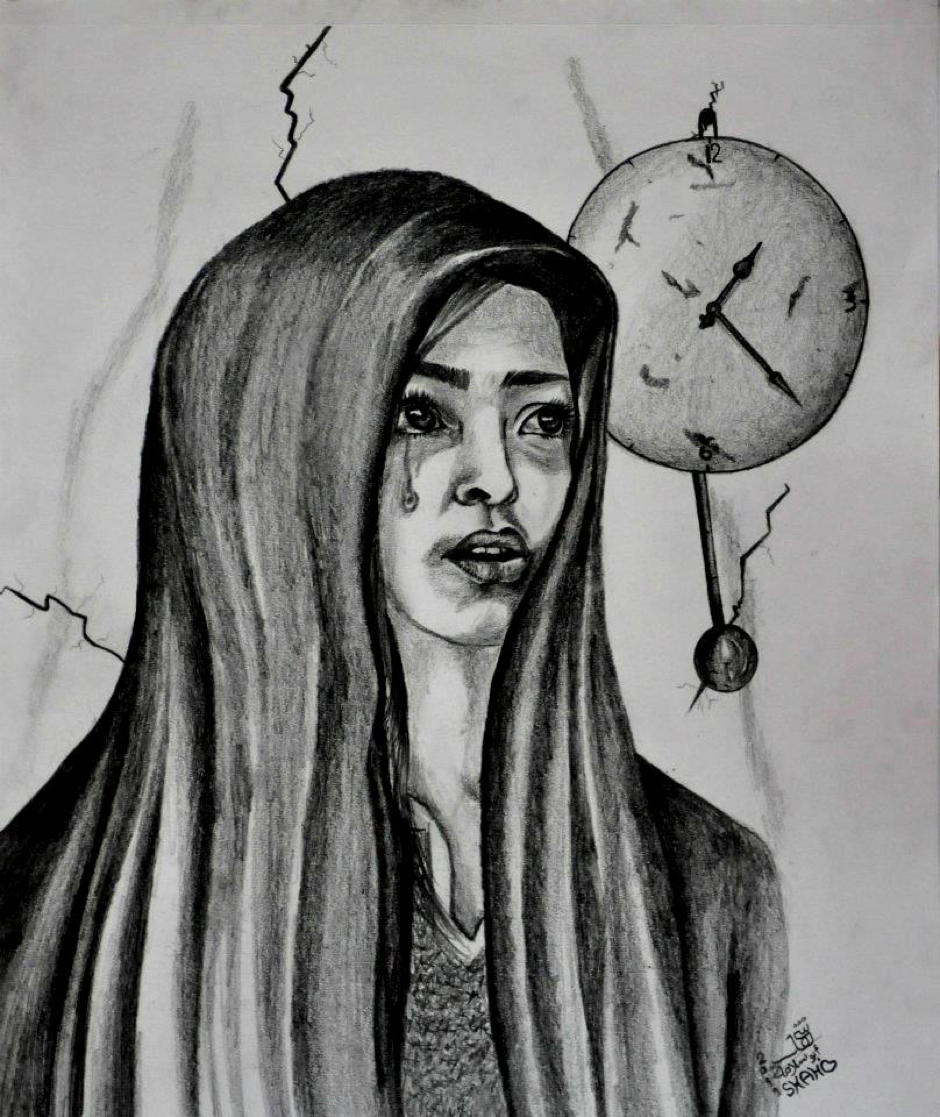


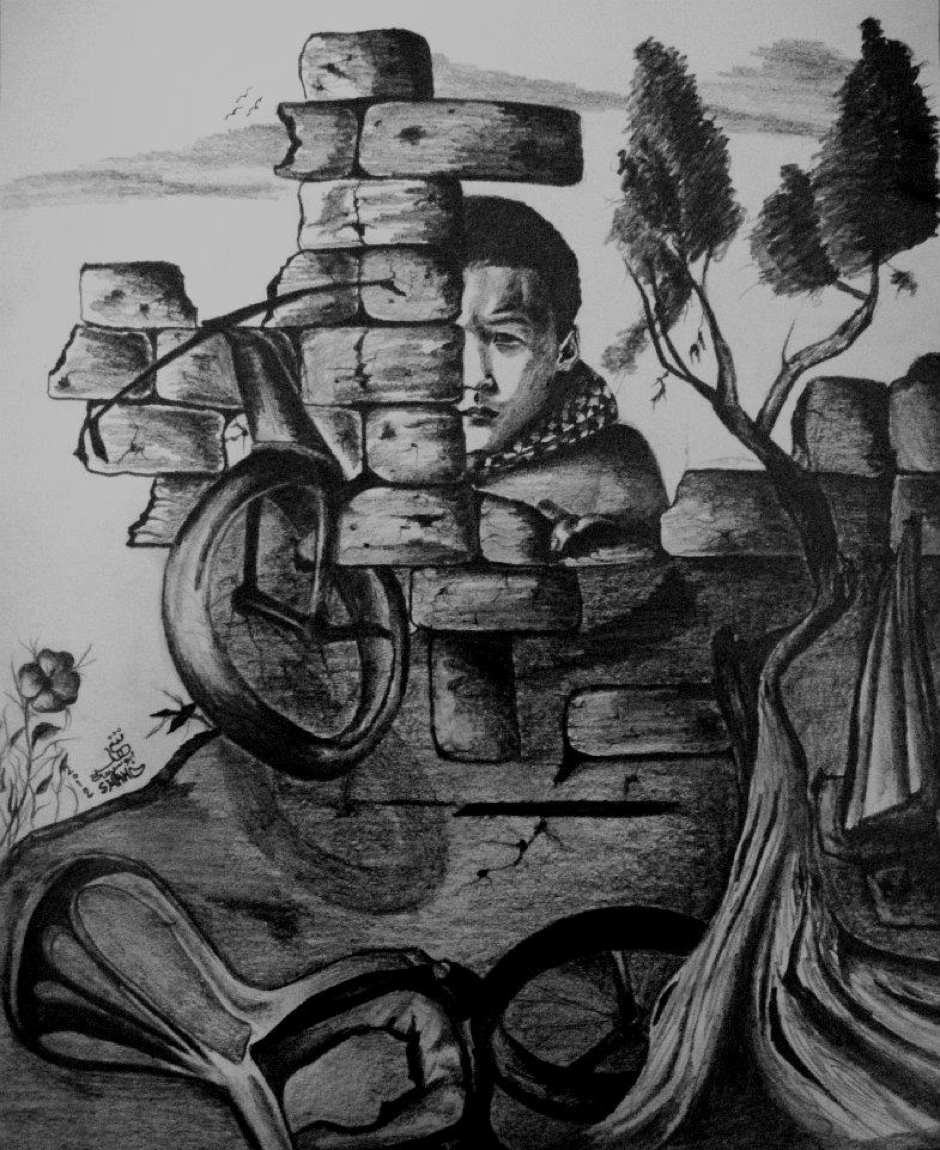
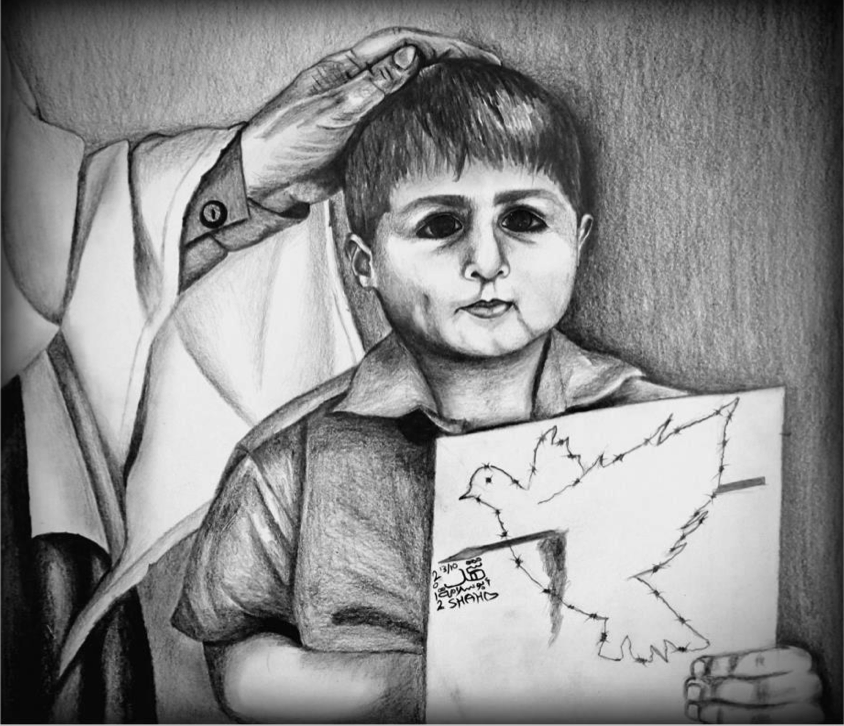
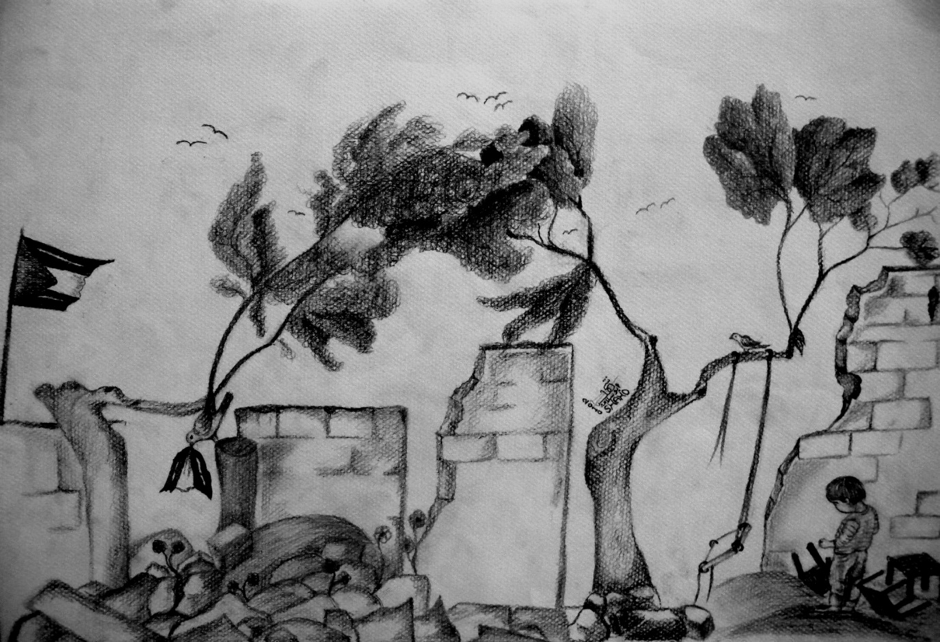

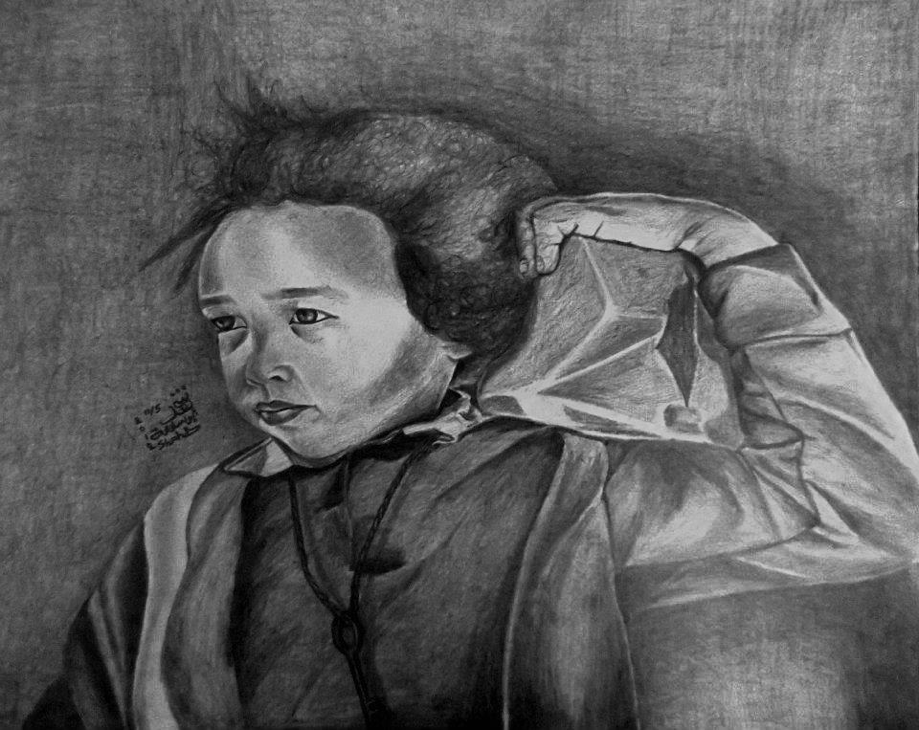


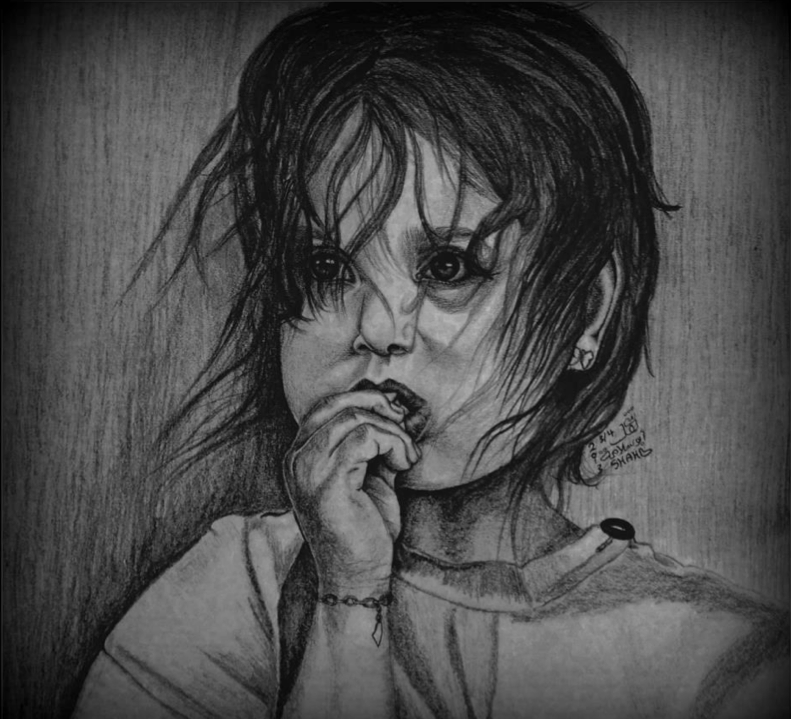
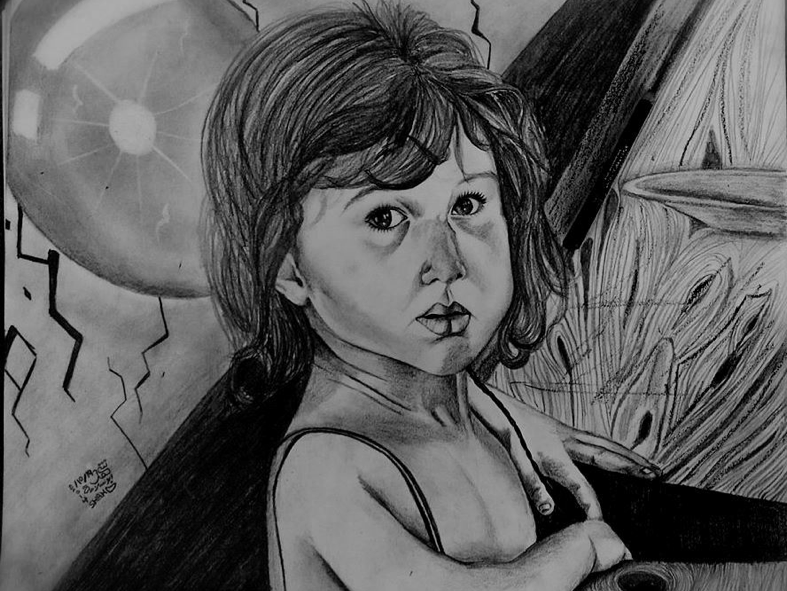






 PALESTINE FROM MY EYES