Offending Colonial Sensibilities: | My article on Eurozine
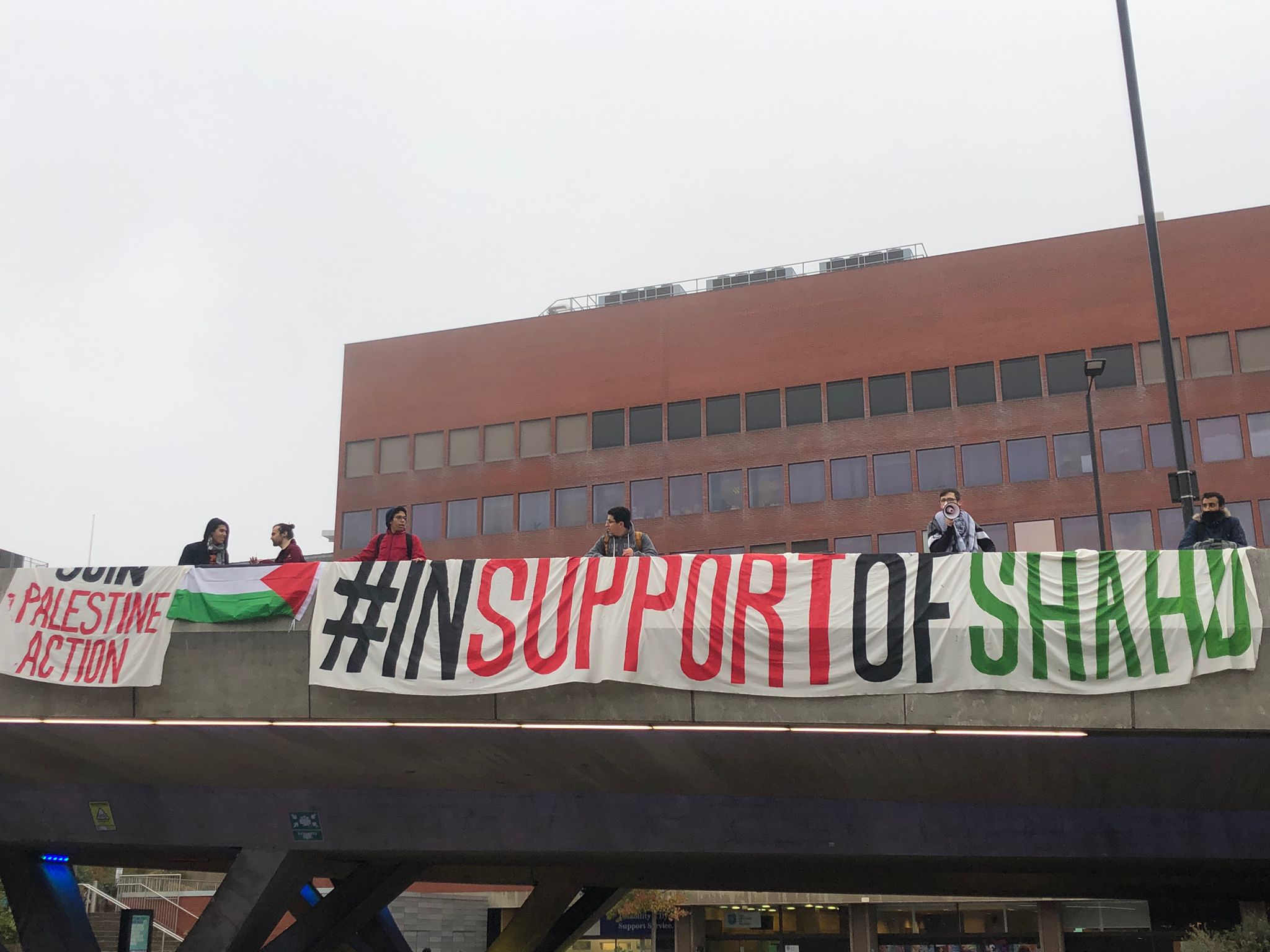
Please read my full essay on Eurozine, published on 24 July 2024. Selected segments are below:
I am the first Palestinian scholar in the UK to have been used as a test-case for the application of the International Holocaust Remembrance Alliance (IHRA) definition of antisemitism. This much criticized definition conflates the crime of antisemitism with the legitimate criticism of Israel to protect and maintain the settler-colonial Jewish state and its politics of apartheid. The IHRA definition is inherently racist because it denies Palestinian struggles under Israel’s oppressive practices and structures, which consistently expose Israel as ‘a racist endeavour’ – an objective description that the IHRA definition would regard as antisemitic.
—
After nearly a year-long struggle, during which I was repeatedly harassed, then investigated and ultimately exonerated, I was eventually hounded out of SHU. At this moment, the real purpose of the IHRA definition became clear: it is less about protecting Jews and more about protecting Israel by silencing Palestinians and advocates for justice in Palestine.
I attended my graduation ceremony with a heavy heart on 17 November 2022, the week after the Jewish Chronicle had published an article citing derogatory assertions made about me by SHU. Instead of defending its own processes that had vindicated me, SHU participated in defaming me, violating both confidentiality and a settlement agreement we had recently reached. I continue to fight a legal battle against my former employer, hoping to hold it accountable for the reputational, psychological, and professional damage it caused me, and to ensure no one else is silenced on the basis of their identity or for daring to protest injustice.
Media complicity in the Gaza genocide
I was by no means the only scholar who has faced increasing smears and silencing during the genocide in Gaza. On 11 October, I woke up to find my picture published by The Times, in a defamatory and misleading article headlined ‘Revealed: the British academics defending Hamas’. While the non-Palestinian academics targeted in the piece received press requests, the paper ignored basic journalistic ethics and skipped over my right to reply. The subtitle stated that ‘Jewish students report feeling unsafe on campus’, reinforcing a dangerous and polarising narrative that misleadingly paints all Jews as Zionists and all Palestinians as terrorists, or ‘human animals’ – to use the dehumanising references made by Israeli leaders enabling the genocide in Gaza.
The complicity of western media in the Gaza genocide cannot be understated. A military superpower with nuclear weapons like Israel that is supported by even mightier armies like the USA, UK and Germany could hardly be threatened by a besieged enclave like Gaza. While constantly invoking the memory of the Holocaust and repeating Israel’s framing of Hamas as ‘terrorist’ and ‘genocidal’, western media omit any reference to the foundational principle of the state of Israel: that of the consistent and gradual elimination of the Palestinian natives. This elision intentionally conceals and undermines the genocidal intent of Israeli ethnic cleansing in Gaza, despite its increasingly indisputable nature, which has prompted South Africa to take Israel to the International Court of Justice in the Hague.
By omitting this longstanding history of relentless and well-documented collective punishment campaigns against besieged Gaza, western mainstream media enabled Israel to claim 7 October as the starting point of history. ‘There was a ceasefire on 6 October’ is one of the most repeated Zionist myths, which couldn’t be more reflective of the denial of the Palestinians’ longstanding struggles under military occupation and settler-colonialism. Such discourse, which frames opposition to Israeli crimes as a question of ethno-religious identity rather than a question of politics, attempts to demonise and silence academics who speak up for Palestine and refuse to ignore the historical context that precedes 7 October.
Zionist media has shown no sympathy for my background as a survivor of the Israeli Occupation’s collective punishment policies, nor for my experience of a decade of exile, during which I watched my family and other Palestinian communities be repeatedly dehumanised, terrorised, displaced, killed and maimed. None of the well-reported offences and internationally-recognised war crimes and crimes against humanity openly committed by Israel offended their colonial sensibilities. Yet my defence of a placard reading ‘Stop the Palestinian Holocaust’ was offensive and allegedly made ‘Jewish students feel unsafe on campus’!
Looking back, as Gaza, my city of birth, burns and loved ones endure a genocide through bombs, starvation and the destruction of all means of survival from North to South, the viciousness of the Zionist smears couldn’t be more blatant. This incident and the subsequent struggle I endured has often been triggered in recent months. The word ‘Holocaust’ is often used by Palestinian survivors to describe the terror inflicted on their families, homes and livelihoods. This included Israel setting fire to homes, farmlands, bakeries, and even tents, most infamously in Rafah on 26 May 2024.
My own family home was bombed three times before it was finally set on fire around the turn of the year, devastating news my family still finds hard to process. The maddening part is that a segment of this unliveable home had been appropriated as a shelter for desperate family members left with nowhere to go after the re-invasion of Jabalia Refugee Camp in May 2024.
Would you blame a Palestinian for using the word ‘Holocaust’ to bring attention to the ongoing genocide that rages on with more intensity and brutality, even after nine months of constant bloodbath, mass devastation and displacement?


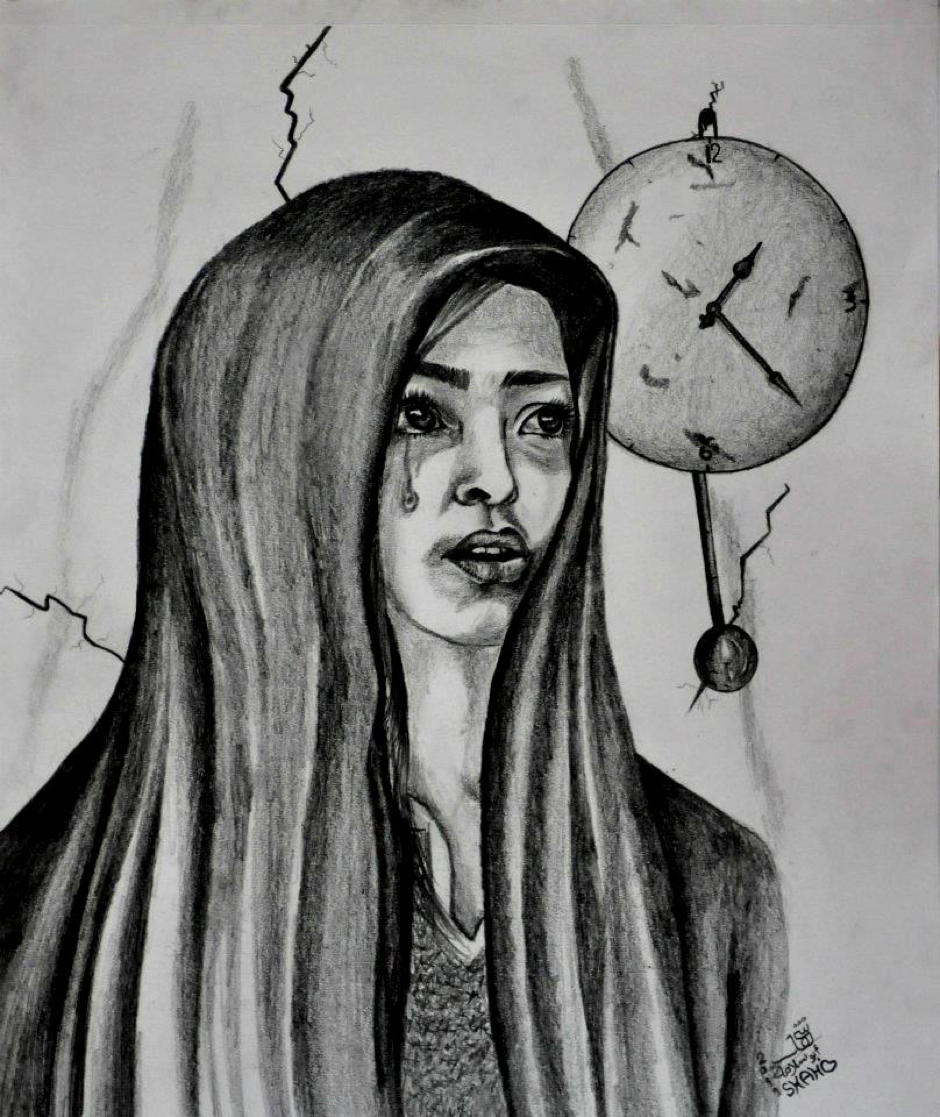


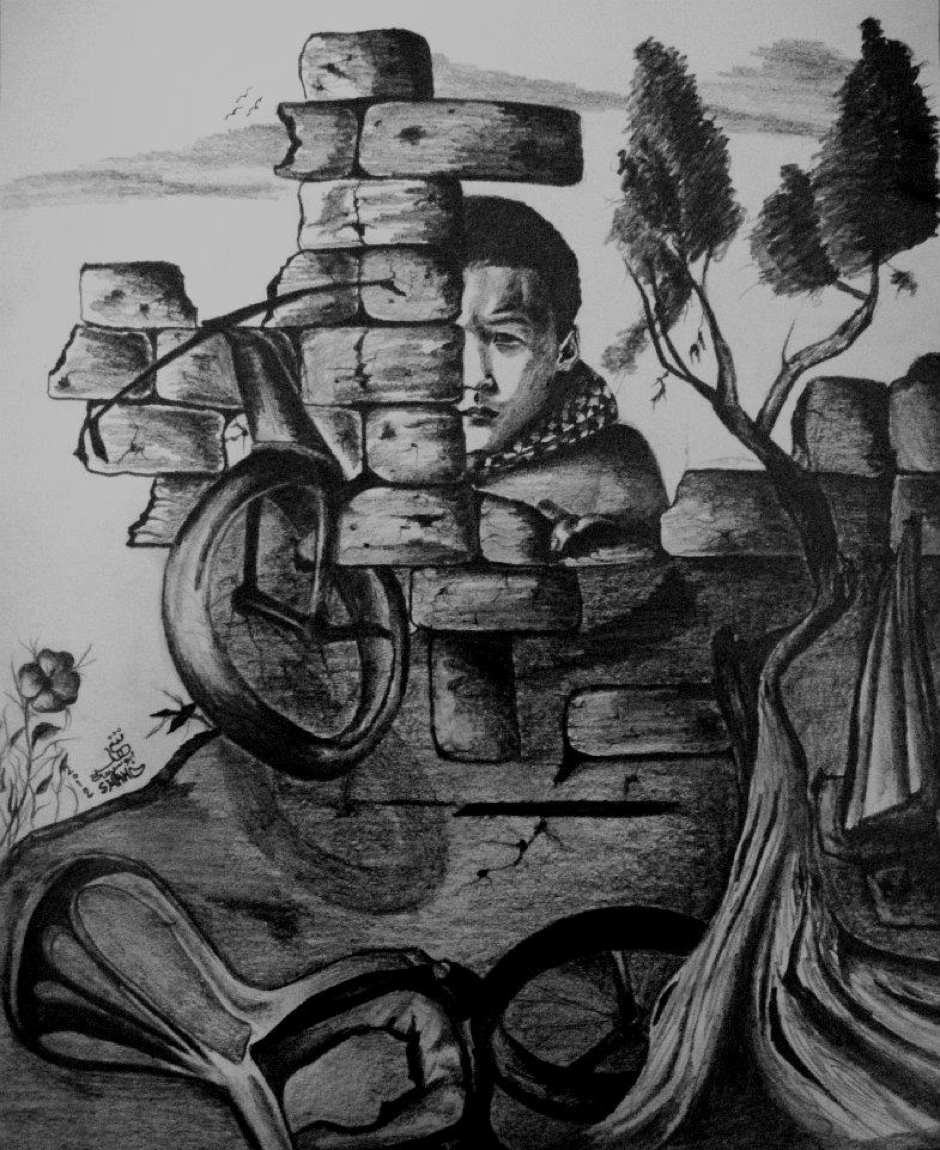
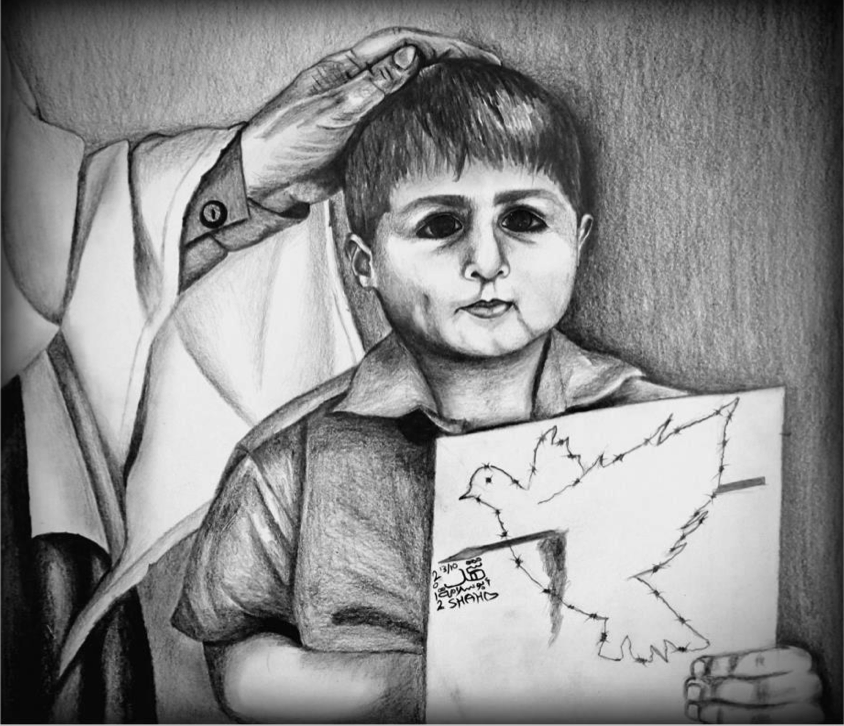
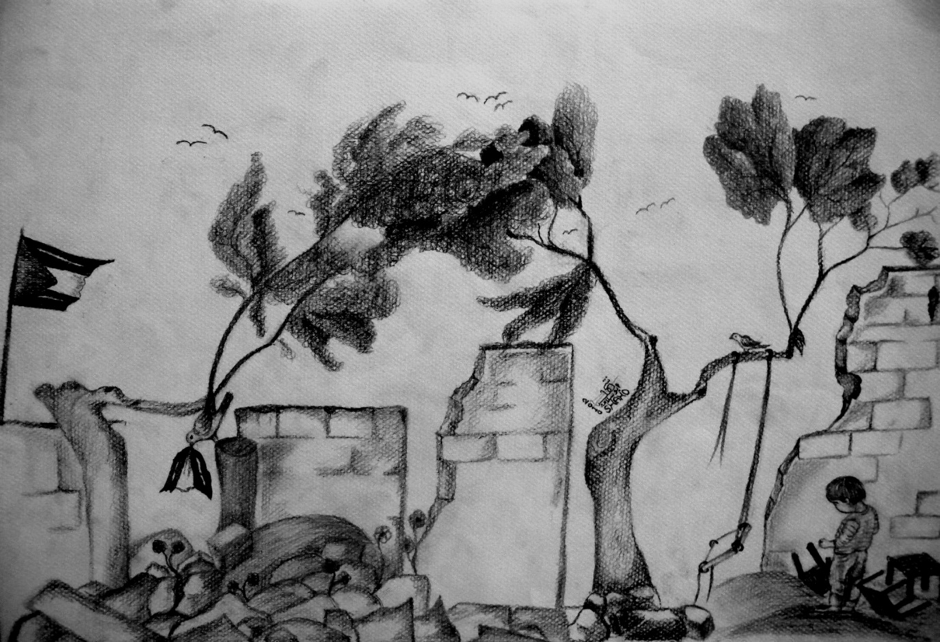

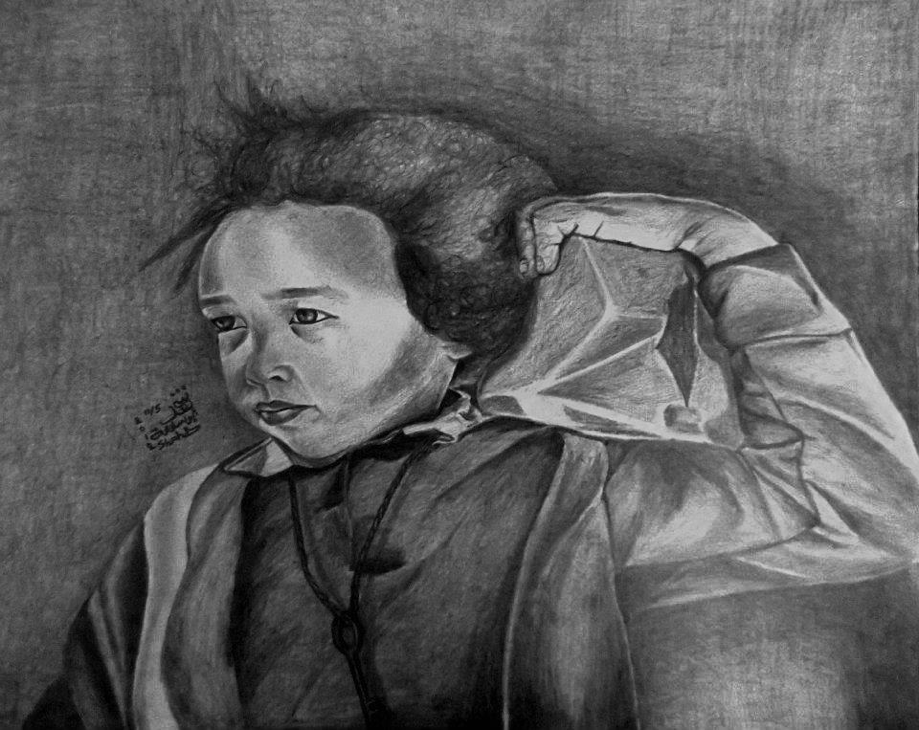







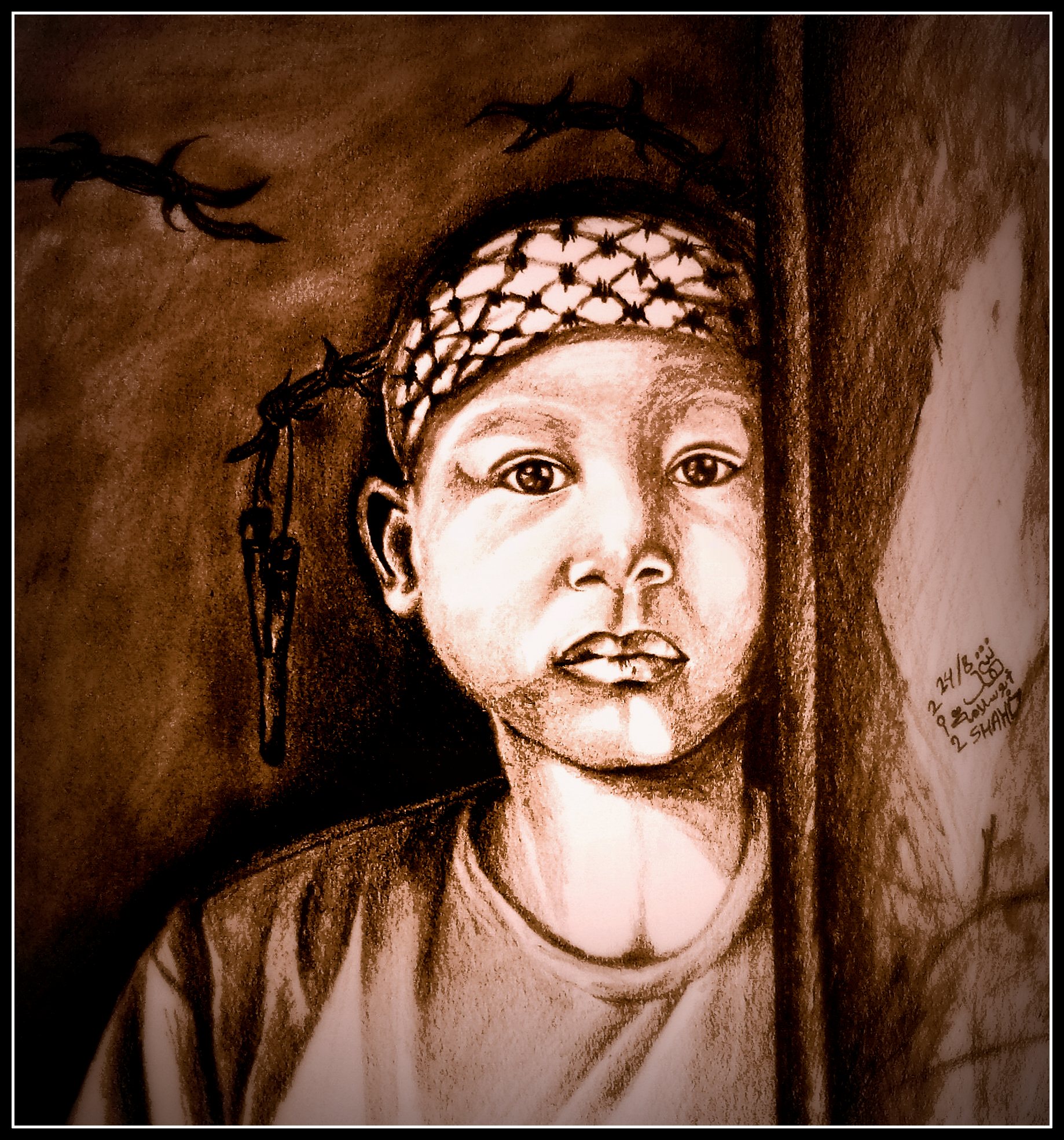
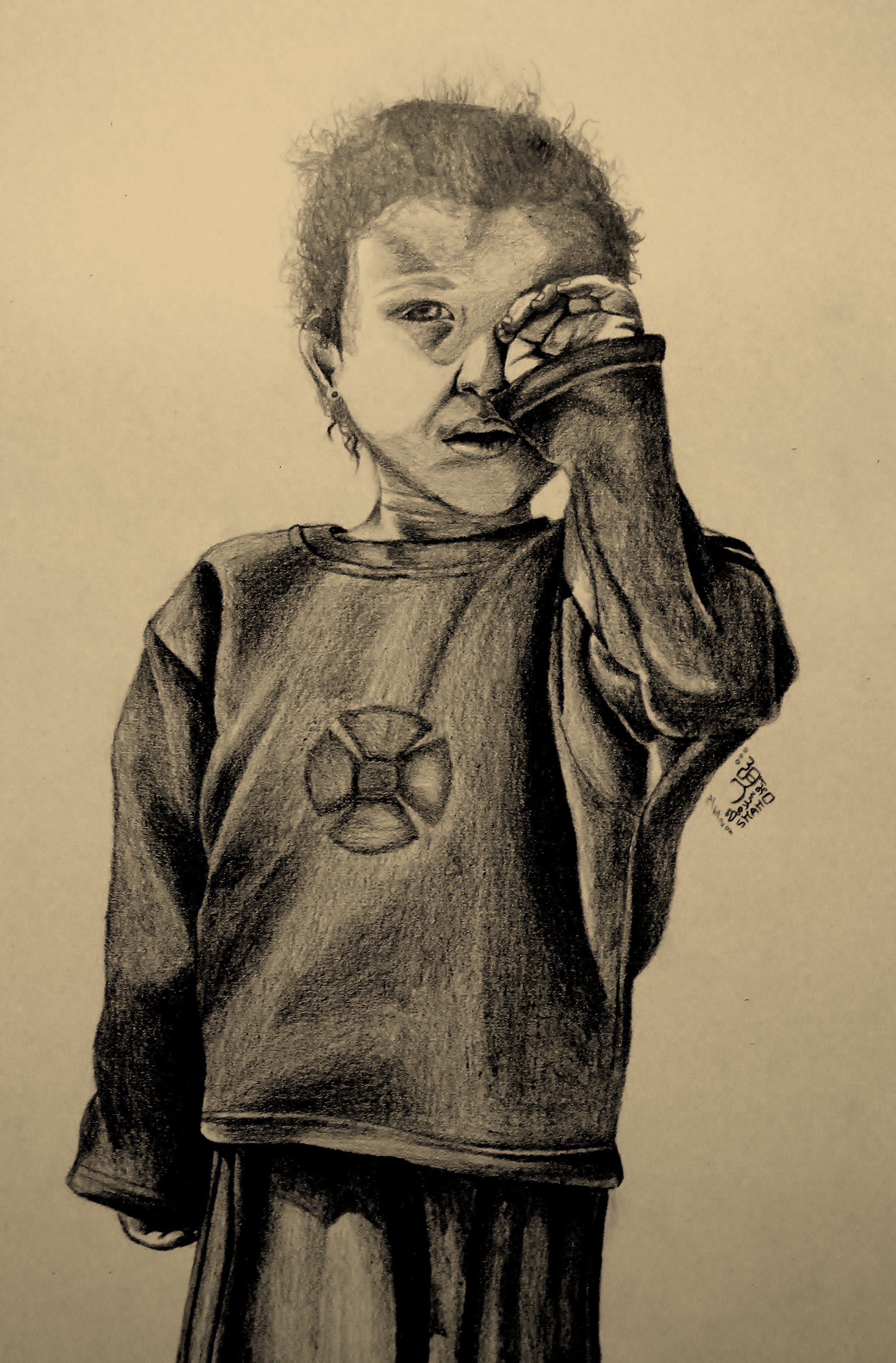
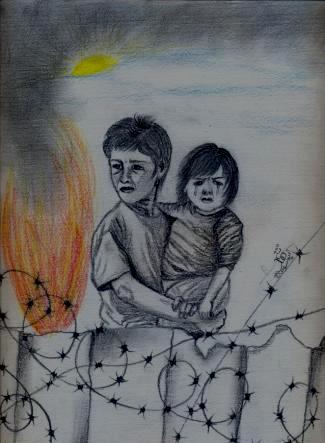


 PALESTINE FROM MY EYES